
Birds and Wildlife of Delmarva
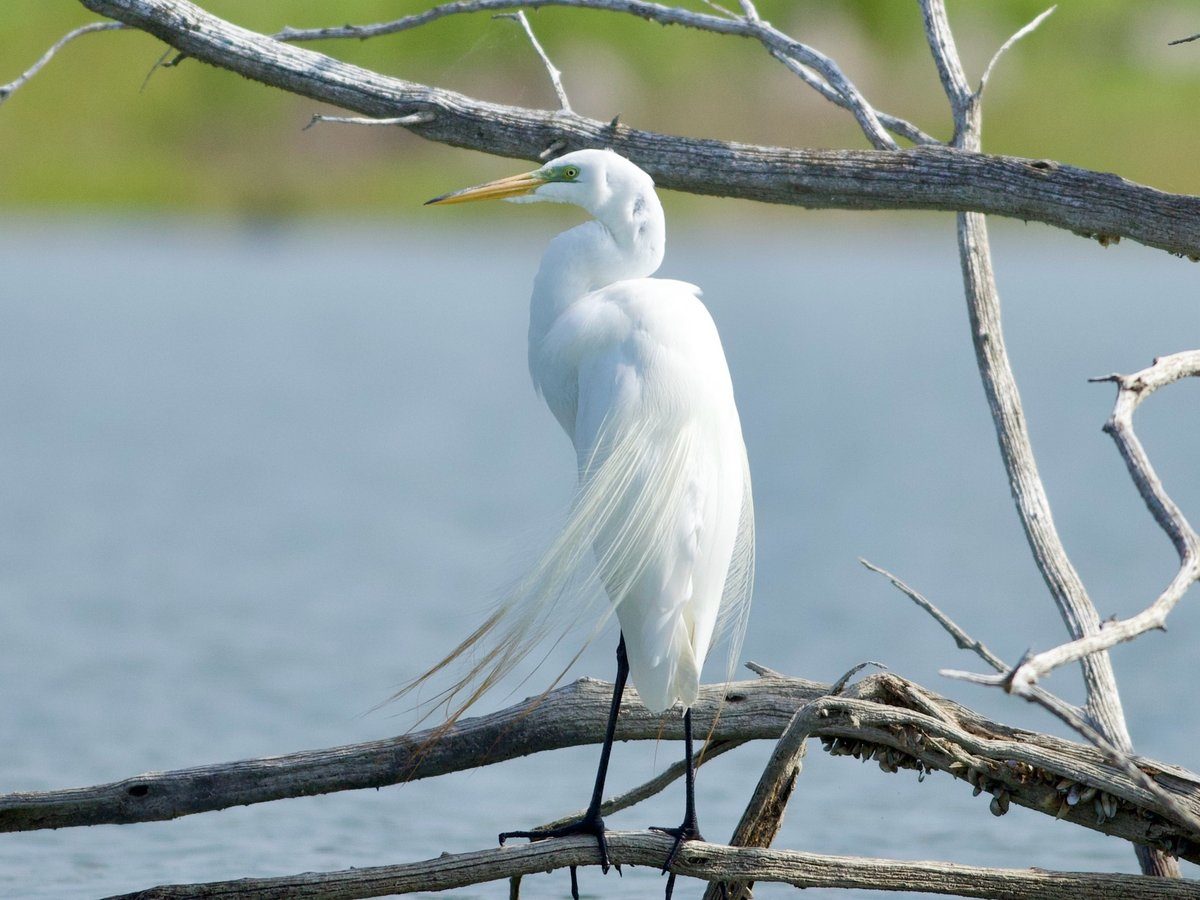
Eagles over Blackwater, ponies on the beach, and the greatest horseshoe crab gathering on Earth — your field guide to the peninsula's wild residents.
You don't have to be a birder to live on Delmarva and end up watching wildlife. It finds you: a bald eagle riding the thermals over the marsh on your commute, a fox squirrel the size of a house cat pausing on a pine trunk, the spring nights when the Delaware Bay shoreline comes alive with one of the strangest natural events on the planet. This guide covers the peninsula's signature species and the places to see them — plus a seasonal calendar, what to bring, and how to watch without causing harm.
The Big Six
Bombay Hook National Wildlife Refuge — Smyrna, Delaware
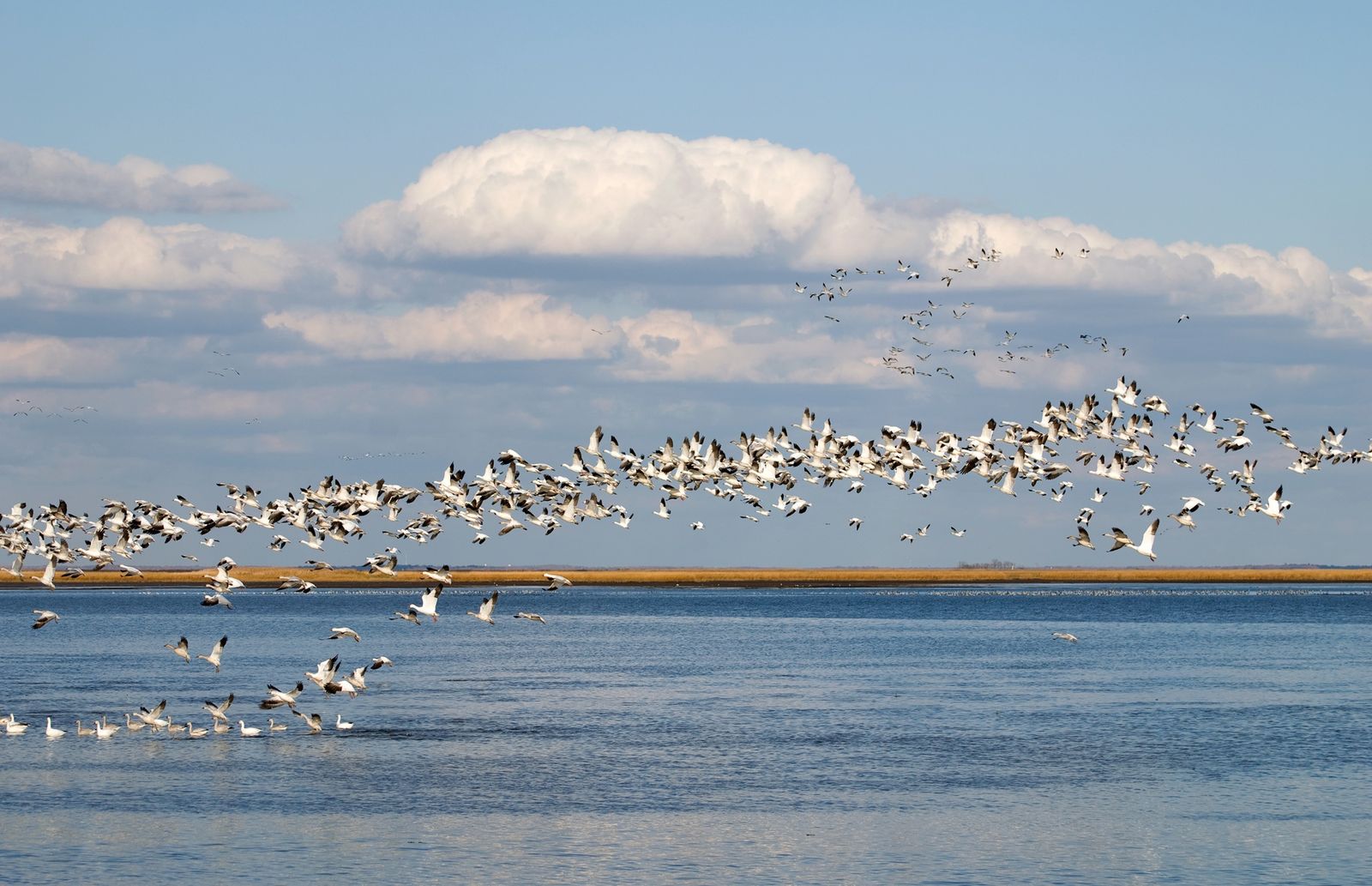
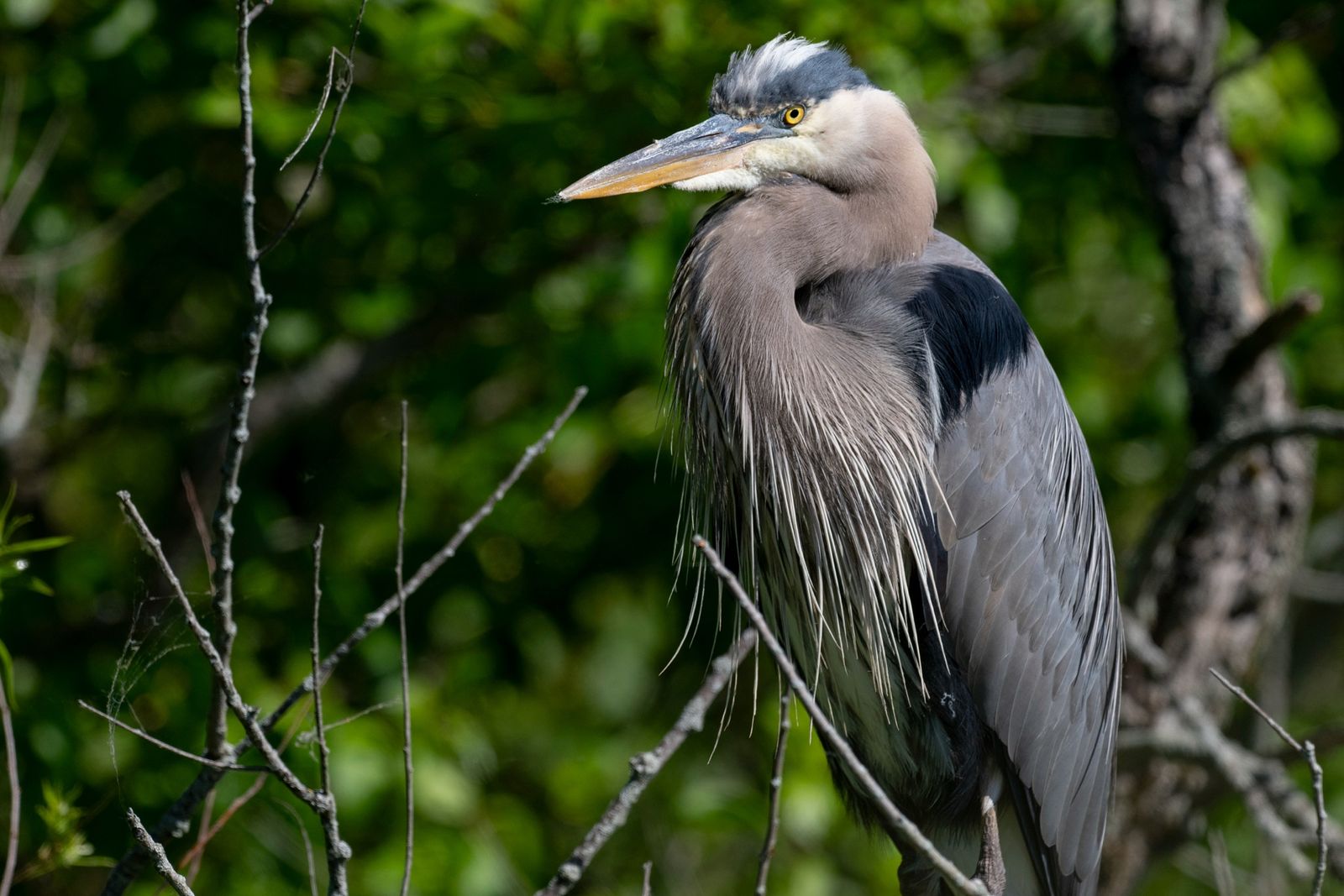
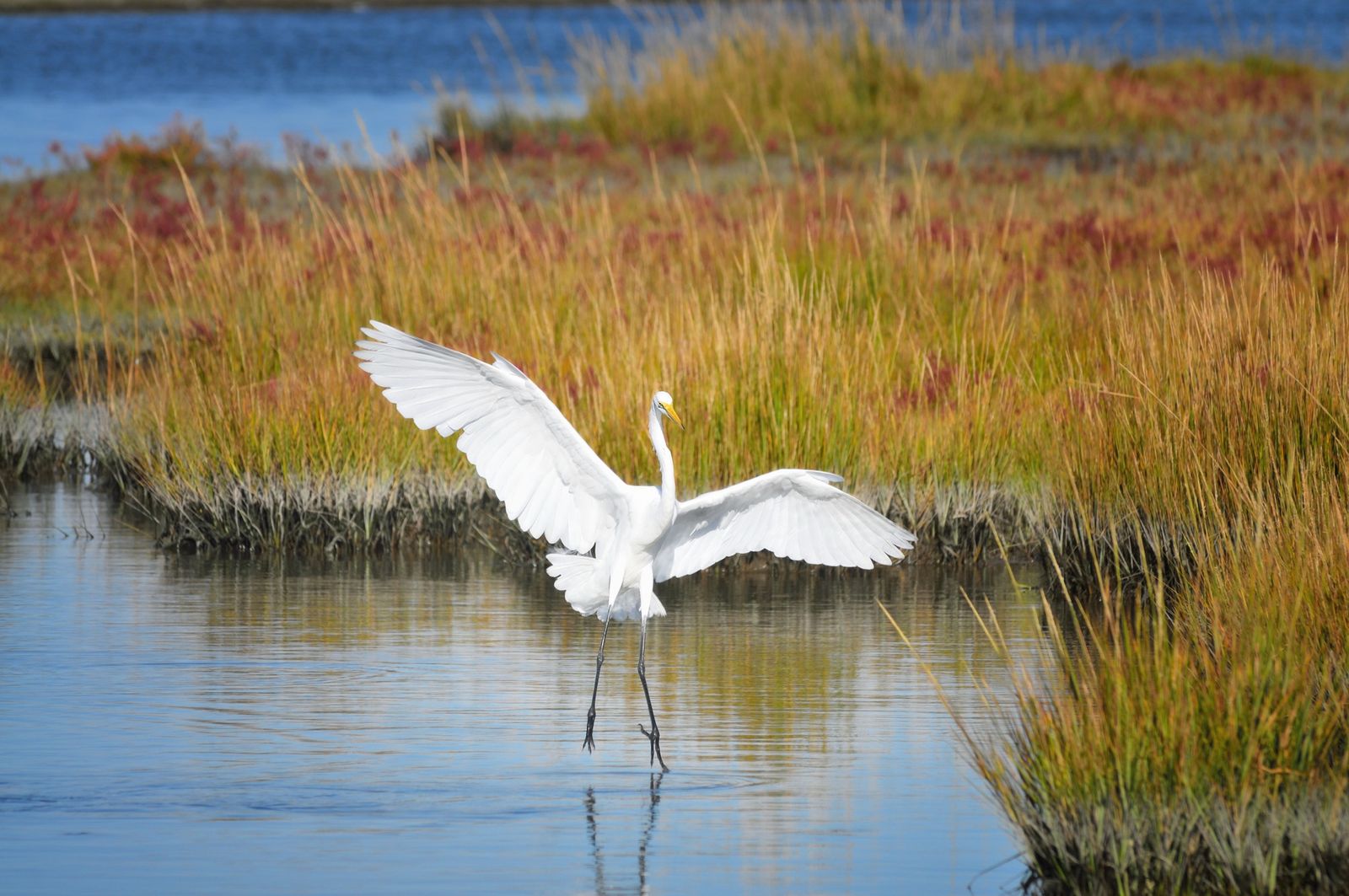
If you only visit one refuge, make it this one. Bombay Hook's 16,000-plus acres of tidal marsh sit squarely on the Atlantic Flyway, and the 12-mile auto tour loop lets you see an astonishing amount without leaving your car. Spring brings waves of migrating shorebirds; summer brings herons, egrets, and glossy ibis; fall brings ducks and geese by the tens of thousands; winter brings northern harriers, bald eagles, and snow geese in numbers that turn the sky white. The observation towers at Raymond Pool and Shearness Pool are the best vantage points. Refuge hours and any entrance fee — check before you go. Go at dawn or the last two hours of daylight; bring the longest lens or binoculars you own.
Blackwater National Wildlife Refuge — Cambridge, Maryland
Blackwater is eagle country. The refuge hosts one of the largest breeding populations of bald eagles on the East Coast, and in winter the resident birds are joined by migrants — it's common to count dozens in a single visit. The Wildlife Drive is the classic route, with the observation platform at the end offering sweeping marsh views. Spring brings nesting ospreys and prothonotary warblers in the woods; summer brings marsh wrens and the famous purple loosestrife bloom. Hours, entrance fees, and eagle-cam availability — check before you go. Bug spray is non-negotiable from May through September.
Assateague's Wild Ponies — Maryland and Virginia
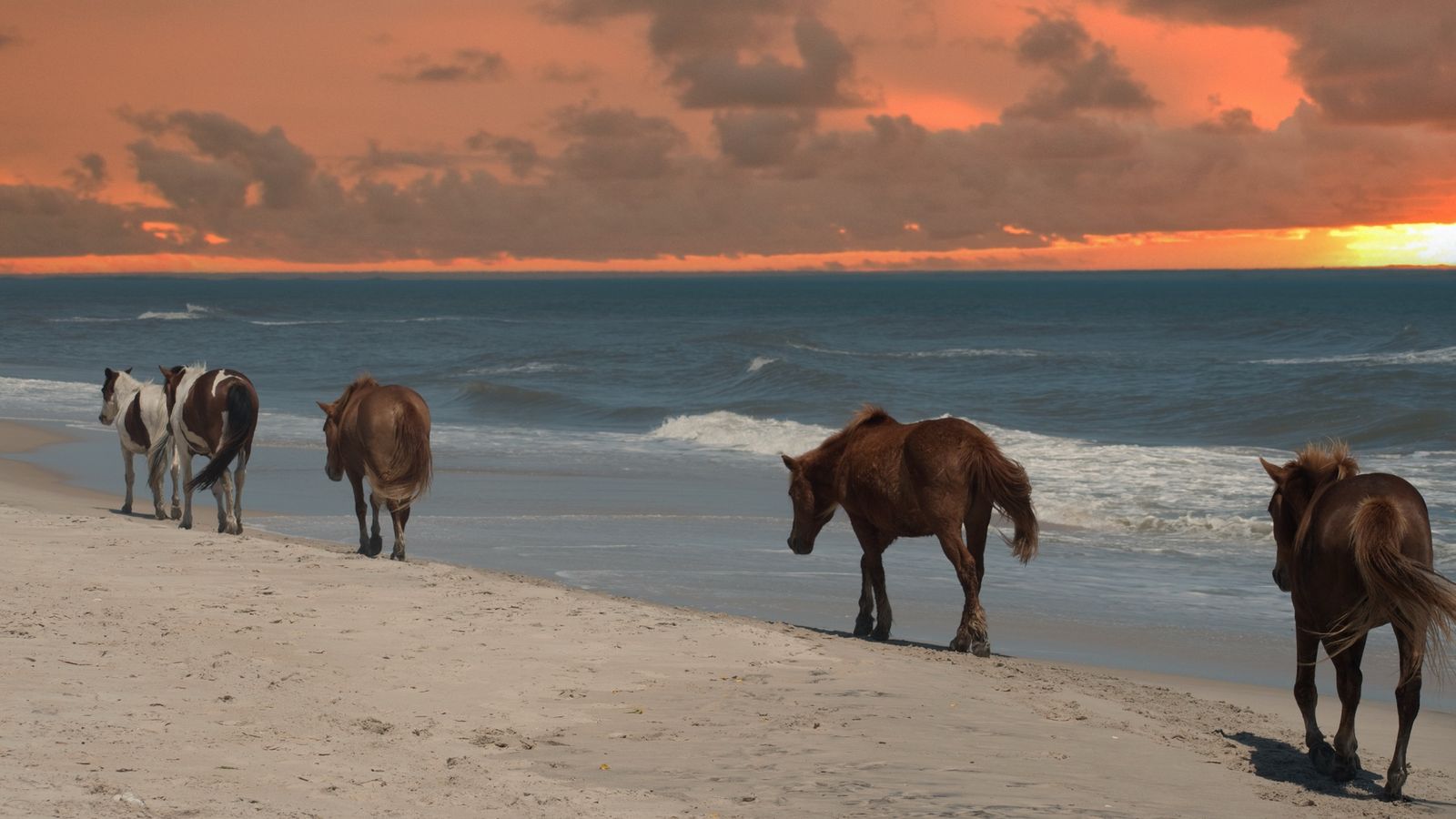
The famous ponies graze both sides of Assateague Island, managed as two separate herds with two very different vibes. On the Maryland side (Assateague Island National Seashore), the horses roam free and you may find them on the beach, in the parking lots, or blocking the road — which is exactly the problem. On the Virginia side (Chincoteague National Wildlife Refuge), the "Chincoteague" ponies are owned by the Chincoteague Volunteer Fire Company and live in fenced grazing areas, viewable from the refuge roads. The etiquette is the same everywhere and it matters: stay at least 40 feet away, never feed or touch them, and secure your food and trash. These are wild animals with teeth and a documented history of biting tourists who get too close. Foaling season is spring, and that's when distance matters most.
Horseshoe Crabs — Delaware Bay
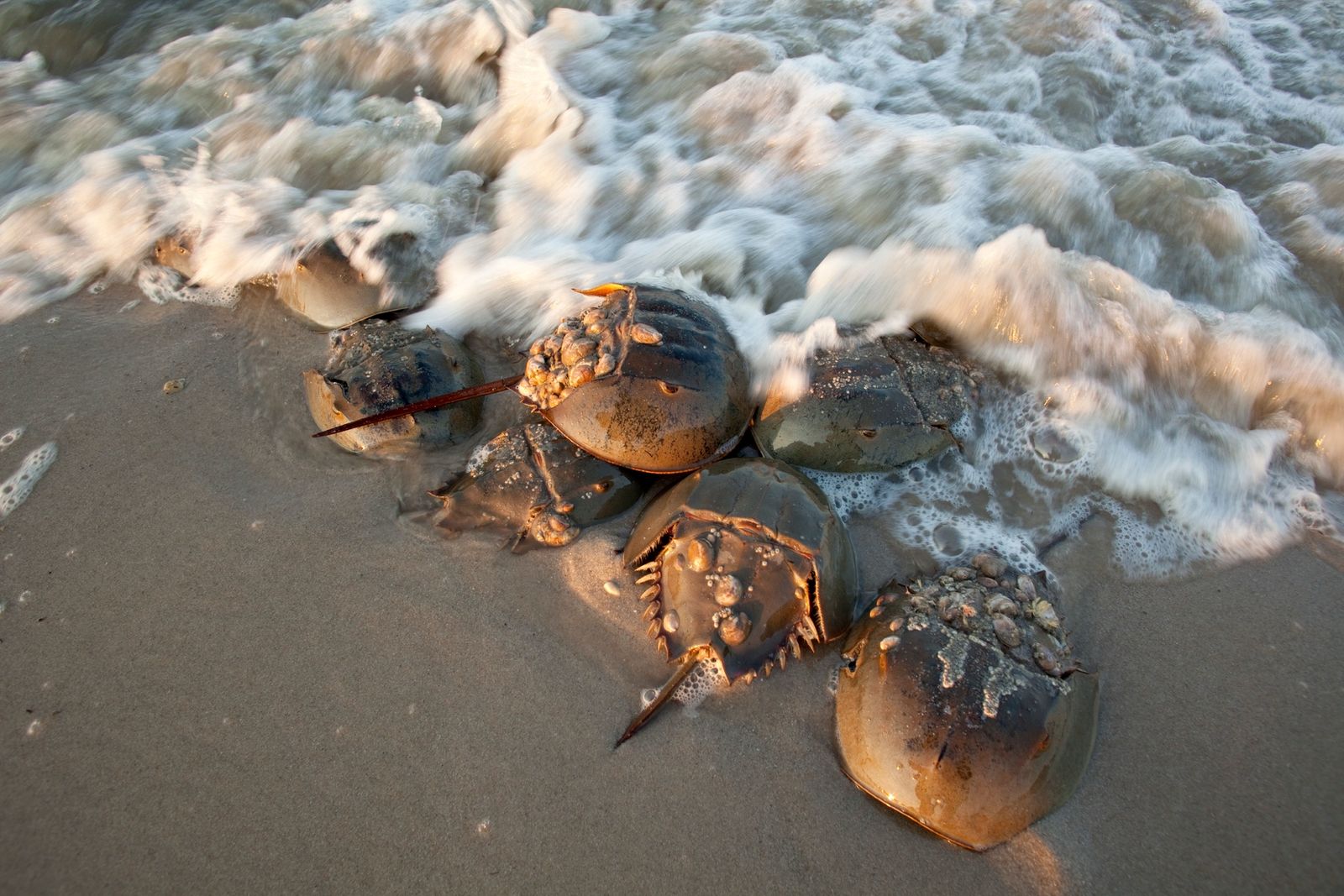
Every spring, the largest horseshoe crab spawning aggregation on Earth happens on Delaware Bay beaches — hundreds of thousands of these ancient, helmet-shaped animals hauling ashore at night to lay eggs on high tides. The spectacle peaks around the full and new moons in May (the timing shifts with the lunar calendar). Prime viewing beaches include Pickering Beach, Kitts Hummock, and Slaughter Beach on the Delaware side, and the bay beaches of New Jersey across the water. Go at night on a rising tide, bring a red-filtered flashlight (white light disturbs them), and walk gently — the beaches are also a critical refueling stop for migrating red knots, which gorge on crab eggs before their final flight to the Arctic. Watch where you step: overturned crabs can't right themselves, and flipping one back over (by the shell edge, never the tail) is the local good deed.
Delmarva Fox Squirrel
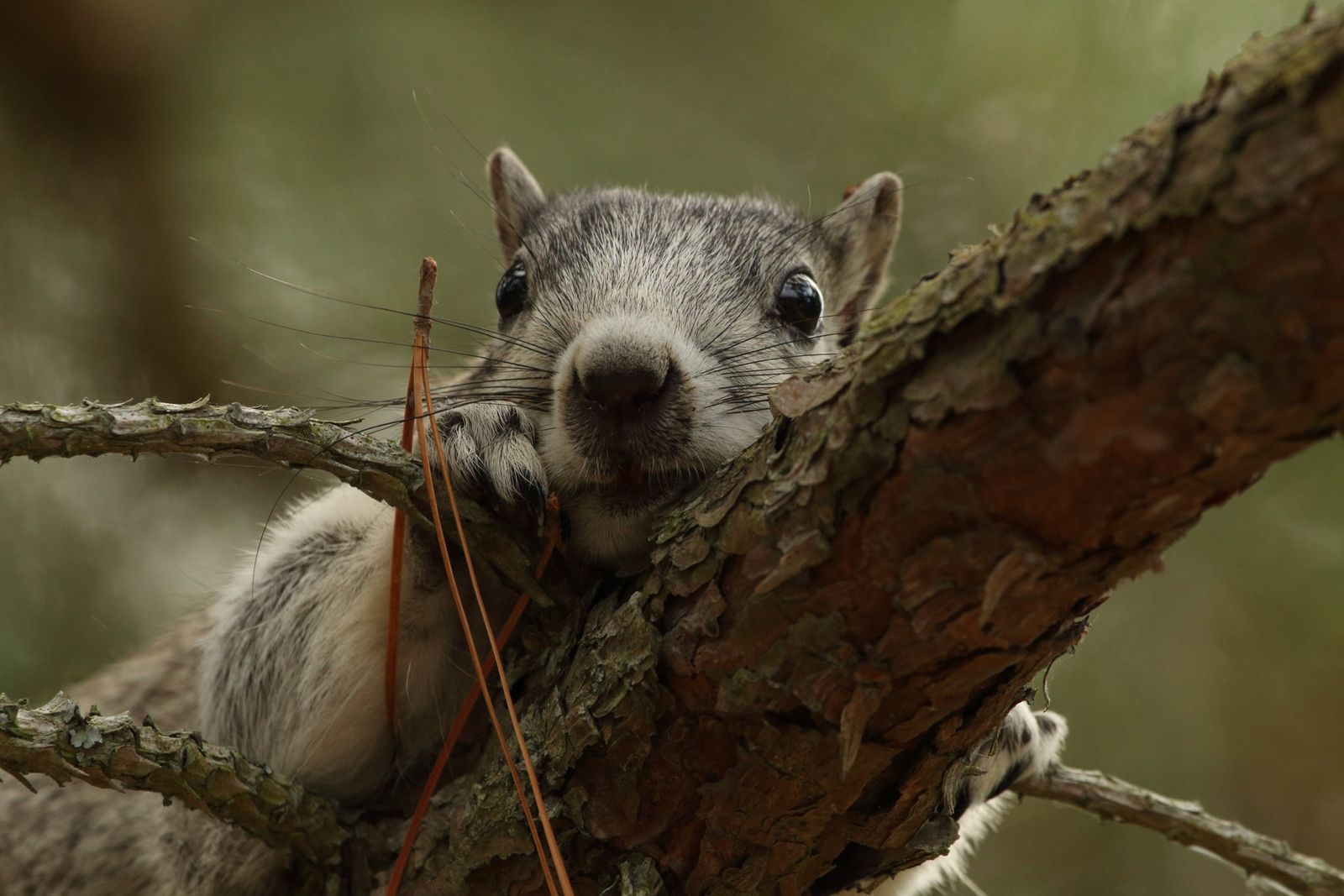
This one's ours and almost no one else's — the Delmarva fox squirrel lives only on the peninsula. Bigger and paler than a gray squirrel, with a grizzled silver-gray coat and a foxlike tail, it's a threatened species that has clawed its way back thanks to habitat work on refuges like Blackwater and Eastern Neck. Dawn and dusk in mature pine-oak woods are your best odds; listen for a slow, deliberate rustle rather than the frantic scamper of gray squirrels. If you spot one, you've seen something most Americans never will — and a genuine conservation success story.
Piping Plovers and Shorebirds
The piping plover — a tiny, sand-colored shorebird that nests on open beach — is endangered, and Delmarva's barrier islands are among its most important nesting grounds. You'll find posted nesting areas on Assateague (both sides) and at Cape Henlopen from spring through summer. The rules are simple and strict: respect every rope line and posted closure, keep dogs leashed or out of nesting zones per local regulations, and give all shorebirds wide berth. Beyond plovers, the fall shorebird migration along the bayshore and ocean beaches is world-class — sandpipers, dunlin, sanderlings, and black-bellied plovers by the thousand.
What's Showing When
| Season | Star species | Where to go |
|---|---|---|
| Spring | Horseshoe crab spawning; red knots refueling; migrating warblers and shorebirds; pony foals; nesting ospreys and plovers | Delaware Bay beaches (Pickering, Kitts Hummock, Slaughter Beach); Bombay Hook; Assateague; Cape Henlopen |
| Summer | Herons, egrets, ibis; marsh wrens; nesting piping plovers; pony bands on the beach | Bombay Hook; Blackwater; Assateague (both sides); Prime Hook NWR |
| Fall | Hawk and falcon migration; ducks and geese arriving; shorebird migration peaks; monarch butterflies along the coast | Cape Henlopen hawk watch; Bombay Hook; Assateague; Eastern Neck NWR |
| Winter | Bald eagles at peak; snow geese and tundra swans; northern harriers; sea ducks offshore | Blackwater; Bombay Hook; Prime Hook NWR; Ocean City inlet and Indian River Inlet jetties |
Seasonal timing shifts year to year with weather and tides — treat this as a planning guide and confirm peak windows.
Field Tips: What to Bring and How to Behave
Bring: binoculars (8x42 is the all-around sweet spot), a field guide or a bird-ID app, layers (the bay breeze is always colder than you expect), waterproof footwear for marsh trails, bug spray and sunscreen, water and snacks — refuges don't have concessions. A spotting scope is worth it at Bombay Hook and Blackwater if you have one.
Etiquette: Stay on trails and boardwalks; marshes look solid and aren't. Keep your distance — 40 feet minimum from ponies, and use the same restraint with nesting birds, eagles, and fox squirrels. Never feed wildlife; it habituates animals and is illegal in the refuges. Keep dogs leashed where allowed and out of posted nesting areas entirely. Drive the auto tour loops slowly; turtles, snakes, and ponies all use the roads. And on crab-spawning nights, red light only — the show has been running for 450 million years, and it doesn't need our headlights.
Figures and availability are general information and change over time.