
Condo Life: Pros and Cons
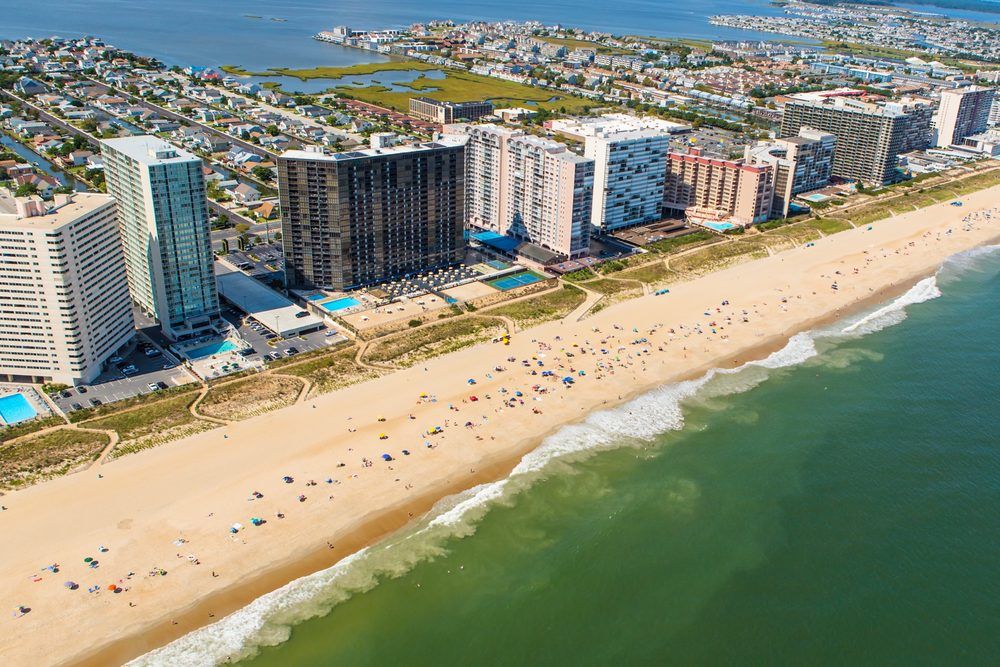
Lock-and-leave convenience at the beach — but HOA fees, rental rules, and special assessments can turn a dream deal into a money pit. Here's the honest breakdown.
Condos are everywhere in Delaware's beach towns and up and down the Eastern Shore, and for good reason: they put a beach lifestyle within reach at a price many single-family homes can't touch. But condo ownership is a different animal than owning a house. You're buying into a community — and its finances, its rules, and its future liabilities.
This piece is for beach-area buyers weighing the trade-offs. No sales pitch, no scare tactics. Just the math and the fine print.
The Pros
Lock-and-Leave Convenience
This is the big one. Lock the door, drive home, and the grass gets cut, the exterior gets maintained, and someone notices if a pipe bursts while you're gone. For second-home buyers — and Delmarva's beaches are full of them — not spending every weekend on maintenance is the whole point.

Amenities Without the Upkeep
Pools, fitness centers, clubhouses, tennis courts, beach shuttles, gated entries. A single-family home with all of that would cost millions. In a condo community, you're splitting the cost across dozens or hundreds of owners. You get the lifestyle without personally cleaning a pool filter at 7 AM on a Saturday.
Lower Entry Price Than Single-Family at the Beach
Beach-area single-family homes carry beach-area prices. Condos let you buy the same zip code for meaningfully less. For first-time beach buyers, retirees downsizing, or investors getting a toe in the water, that lower entry point matters — especially when it comes to the down payment and carrying costs.
Rental Income Potential
Many beach condos are designed for it: short-term rental demand is strong in season, property managers are everywhere, and some communities are set up as de facto vacation-rental machines. A well-chosen condo can generate real income that offsets your carrying costs — or covers them entirely in season.
Potential is doing heavy lifting in that paragraph. Keep reading.
The Cons
Monthly HOA Fees — and What They Actually Cover
Every condo comes with a monthly HOA fee (also called dues or regime fees), and at the beach they can be substantial. Before you flinch at the number, look at what it buys: building insurance, exterior maintenance, landscaping, common-area utilities, amenities, management, and — critically — contributions to the reserve fund.
Then do the honest comparison: what would you spend on a house for insurance, lawn care, exterior maintenance, and a pool you never clean? Sometimes the HOA fee is a wash. Sometimes it's not. Get the line-item budget, not just the number.
Fees go up. That's the one constant. Ask how much the fee has increased over the past five years — the trend tells you more than the current number.
Special Assessments and Reserve Requirements
Here's the one that ambushes buyers. When a building needs a new roof, repaved parking, elevator work, or balcony repairs — and the reserve fund doesn't cover it — the HOA can levy a special assessment: a bill, due from every owner, that can run into the thousands.
Since the Surfside condo collapse in Florida, scrutiny of condo reserves has intensified nationwide. Lenders and insurers are asking harder questions about building condition and whether reserves are adequate. Some HOAs responded by raising fees to build reserves; some didn't. Either way, you're living with the consequences.
Before buying, review: the reserve study (is there one, and is it current?), the percentage of reserves funded, and the history of special assessments. A building with thin reserves and deferred maintenance is a bill waiting for an owner — possibly you.
Rental Restrictions That Can Kill an Investment Plan
This is where investment buyers get burned. Many condo communities restrict rentals: minimum stay lengths, caps on the number of units that can rent at once, blackout periods, or outright bans on short-term rentals. The rules are in the HOA documents — the bylaws, the CC&Rs, the rules and regulations — and they can be changed by owner vote.
Do not buy a condo as an investment until you've read the rental restrictions yourself, in the current documents. "The realtor said rentals are fine" is not due diligence. And remember: even if rentals are allowed today, a future vote can restrict them. If the investment math only works with nightly rentals, you're building on rented ground.
Master Insurance Policy Gaps
The HOA carries a master insurance policy — but it typically covers the building's structure and common areas, not your unit's interior or your belongings. That's what an HO-6 policy is for: the individual condo owner's policy that covers your interior finishes, personal property, and liability.
The gap that surprises people: if the master policy has a high deductible, a covered loss can mean a special assessment to cover the deductible — or your HO-6 has to pick up what the master doesn't. Understand exactly where the master policy ends and your policy begins. In a coastal zone with wind and flood exposure, this is not fine print to skim.
Financing Quirks
Condos come with financing wrinkles that houses don't. Lenders evaluate the building, not just you. Key concepts to know:
- Warrantability. Fannie Mae and Freddie Mac will only back loans in condos that meet their standards — adequate reserves, owner-occupancy ratios, no pending litigation, sound financials. A "non-warrantable" condo isn't unsellable, but your buyer pool shrinks because many buyers can't get conventional financing there.
- Fannie Mae condo requirements. Lenders check the HOA's budget, reserves, insurance, and litigation history as part of underwriting. If the building is a mess on paper, your loan can die in underwriting through no fault of yours.
- FHA and VA have their own condo approval processes, which matters for both your purchase and your eventual resale.
Ask the lender early whether the building is warrantable. Finding out at week six of the transaction is a nightmare.
Resale Tied to Building Health
When you sell a house, you're selling your house. When you sell a condo, you're selling a share of a building's reputation. If the HOA is well-run, reserves are healthy, and the building looks cared for, your unit sells easily. If there's litigation, a looming special assessment, or a reputation for fee hikes, every unit in the building pays for it at resale — including yours.
You're not just buying a condo. You're buying into a small local government. Govern accordingly.
Single-Family vs. Condo at the Beach
| Single-Family Home | Condo | |
|---|---|---|
| Upkeep | All yours: lawn, exterior, roof, systems | Exterior and common areas handled by HOA; interior is yours |
| Cost | Higher purchase price; you control maintenance spending | Lower purchase price; monthly HOA fees you don't control |
| Flexibility | Renovate, rent, landscape — your call (within local rules) | Everything runs through the HOA: approvals, rental rules, pet rules, renovation limits |
| Rental income | Full control; you're the whole operation (and the whole maintenance crew) | Strong demand in season; but rental restrictions can limit or ban it |
| Risk | Big-ticket surprises are yours alone (roof, septic, flood) | Shared costs — but special assessments and building-wide problems hit every owner |
Questions to Ask Before Buying a Condo
Get these answers in writing, from the documents — not from a conversation:
- ☐ What is the monthly HOA fee, and what exactly does it cover? (Get the line-item budget.)
- ☐ How much has the fee increased over the past five years?
- ☐ Is there a current reserve study? What percentage of reserves is funded?
- ☐ What is the history of special assessments — and is one being discussed now?
- ☐ What are the rental restrictions? Minimum stays, rental caps, blackout periods, short-term bans? (Read the current CC&Rs yourself.)
- ☐ Can the rental rules be changed by owner vote — and is anyone pushing for a change?
- ☐ What does the master insurance policy cover, and where does it end? What will you need an HO-6 policy for?
- ☐ What is the master policy's deductible — and who pays it after a loss?
- ☐ Is the building warrantable for conventional financing? (Ask your lender early.)
- ☐ Is there any pending or threatened litigation involving the HOA?
- ☐ How old is the building, and when were the roof, elevators, balconies, and major systems last replaced?
- ☐ What are the pet rules, renovation rules, and move-in/move-out rules? (They affect your daily life.)
- ☐ How is the HOA managed — professional management company or self-managed? (Either can work; know which it is.)
- ☐ What percentage of units are owner-occupied vs. rented? (Lenders care, and so should you.)
Condos aren't better or worse than houses — they're a different deal. The buyers who get hurt are the ones who priced the unit but didn't price the building. Do the homework, read the documents, and buy the community as carefully as you buy the condo.
Figures are general information and change over time.