
Delmarva Boating & Marinas Guide
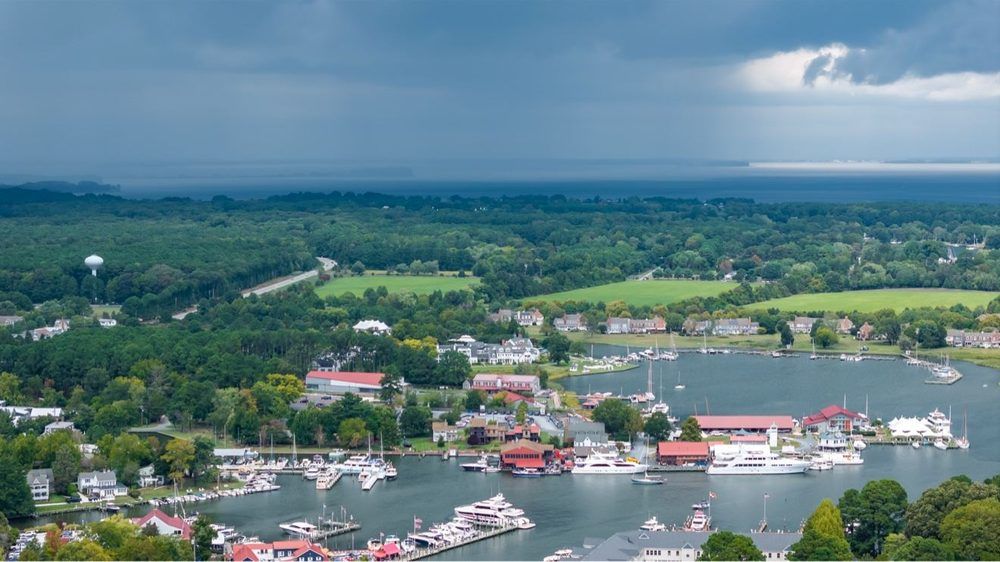
Delmarva is a peninsula — water on three sides. For a huge share of relocators, boating isn't a hobby, it's the reason they're moving. This guide covers where to keep a boat, what the waters are like, and what it costs across all three states.
THE WATERS: Three States, Three Boating Worlds
| Delaware | Maryland Eastern Shore | Virginia Eastern Shore | |
|---|---|---|---|
| Main waters | Delaware Bay, Atlantic Ocean, Indian River Bay, Rehoboth Bay, Little Assawoman Bay | Chesapeake Bay and its rivers (Choptank, Tred Avon, Miles, Chester) | Chesapeake Bay (bayside) + Atlantic seaside creeks and inlets |
| Character | Bay boating + true ocean access; inlets can be tricky | Protected Bay sailing and cruising; the classic Chesapeake experience | Wild and skinny — shallow seaside creeks, deep bayside creeks |
| Best for | Offshore fishing, bay cruising, watersports | Sailing, cruising, crabbing | Flounder fishing, kayaking, solitude |
Honest note: Delaware's bays are shallow — draft matters. The Indian River Inlet is the only ocean access between Ocean City, MD and Cape May, NJ, and it demands respect in rough weather. The Chesapeake side is far more forgiving for sailors and cruisers.
DELAWARE: Bay, Inlet & Ocean
Key boating areas
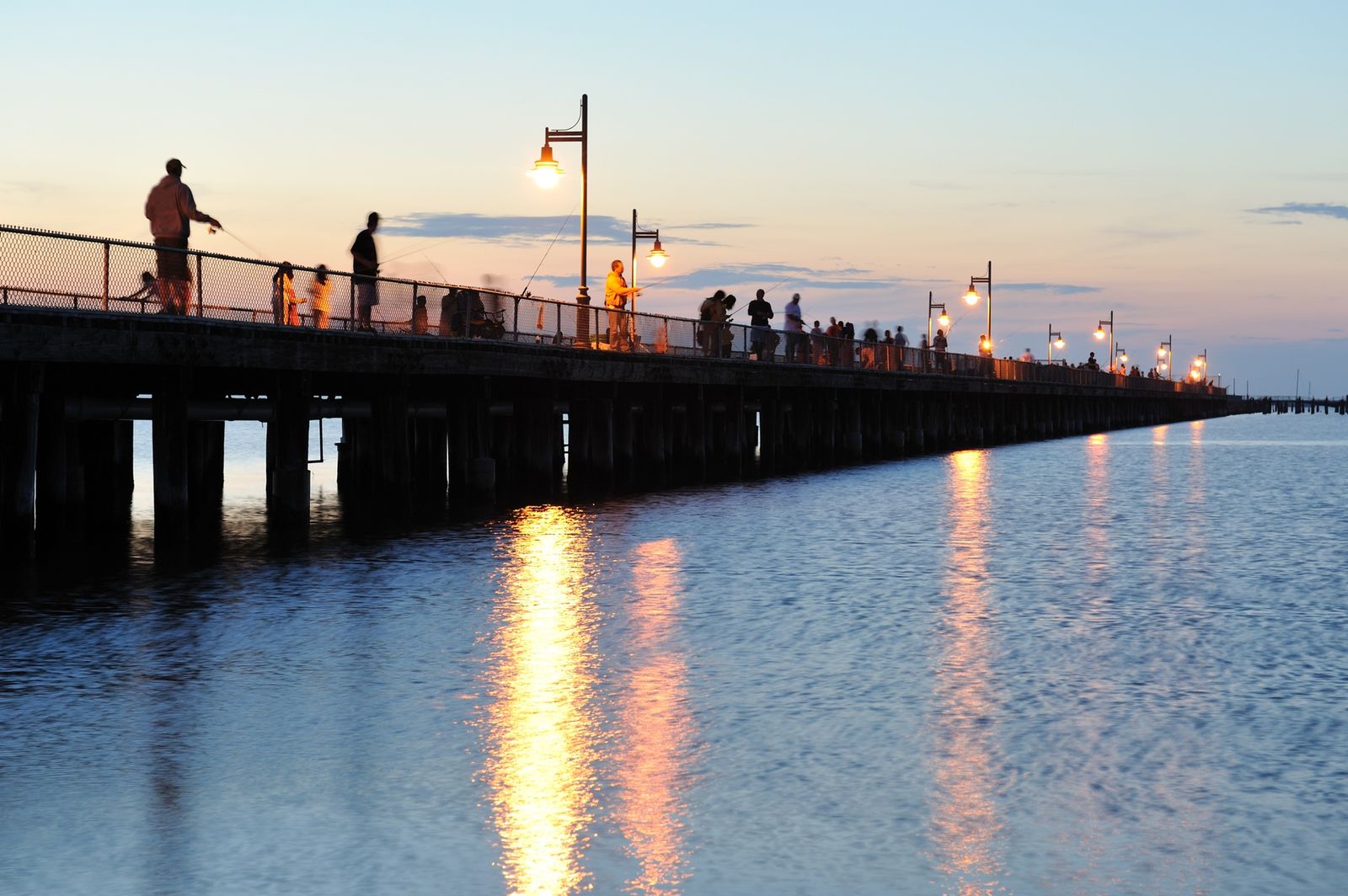
- Indian River Bay & Rehoboth Bay — the heart of Sussex County boating: pontooning, watersports, crabbing, and sunset cruises. Shallow — know your draft.
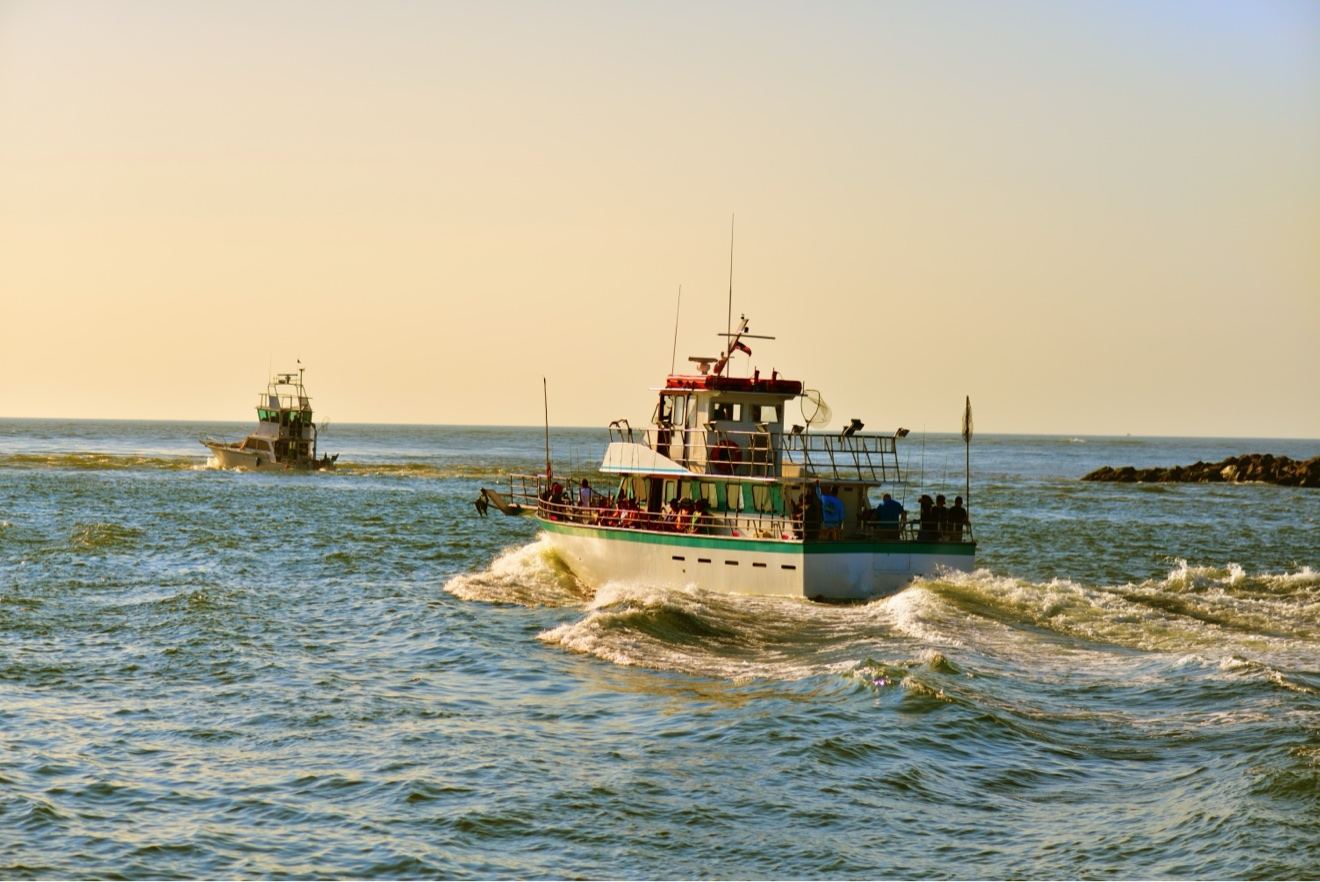
- Indian River Inlet — the gateway to the Atlantic; charter fishing fleet headquarters.
- Delaware Bay (Lewes) — bigger water, striped bass and flounder fishing, plus the Cape May ferry for cruisers heading north.
- Nanticoke River / Broad Creek — quieter inland boating in western Sussex.
Notable marinas
- Indian River Marina (Delaware Seashore State Park) — the coast's flagship public marina: charter fleet, transient slips, fuel, and direct inlet/ocean access
- Rehoboth Bay Marina (Dewey Beach) — 135 slips, full-service, transient dockage in the heart of the resort area
- Dewey Beach Yacht Club — bayside slips steps from the nightlife
- Pilottown Yacht Basin (Lewes) — 76 slips on the Lewes-Rehoboth Canal
- City of Lewes Canalfront Park Marina — seasonal slips awarded by lottery to residents (recent seasons: ~$3,000 for slips up to 25 ft, ~$3,900 for 26–40 ft)
- Sharks Cove Marina (Fenwick Island/Selbyville area) — Little Assawoman Bay access
What it costs (examples)
- Seasonal slips in the resort area run roughly $3,000–$4,000+ for a 25–40 ft boat (Lewes municipal lottery pricing is the public benchmark)
- Transient dockage in Dewey Beach runs about $4–$7 per foot per night in season
- Dry storage and trailer storage are widely available inland at lower cost — many bay boaters trailer
MARYLAND'S EASTERN SHORE: Chesapeake Cruising
Key boating areas
- Miles River / St. Michaels — the postcard: sailboats, waterfront inns, log canoe races
- Tred Avon River / Oxford — classic yachting town, boatyards, quiet anchorages
- Choptank River / Cambridge — working waterfront meets cruising
- Chester River / Chestertown — upriver charm, sailing
- Ocean City / Isle of Wight Bay — the offshore fishing capital (see below)
Notable marinas
- St. Michaels Marina and St. Michaels Harbour Inn Marina — transient-friendly, walk to town
- Higgins Yacht Yard (St. Michaels) — full-service yard
- Safe Harbor Oxford — premier full-service marina and boatyard
- Easton Point Marina (Easton) — Tred Avon access
- White Marlin Marina (Ocean City) — inlet access, transient slips (~$4.50/ft)
The fishing story
Ocean City hosts the White Marlin Open — billed as the world's largest billfish tournament, with millions in prize money each August. The offshore canyons (Washington, Norfolk, Baltimore) are 60–80 miles out: white and blue marlin, tuna, mahi, wahoo. Inshore: striped bass (rockfish), flounder, sea bass, and the Chesapeake's famous blue crabs.
VIRGINIA'S EASTERN SHORE: Wild Water
Key boating areas
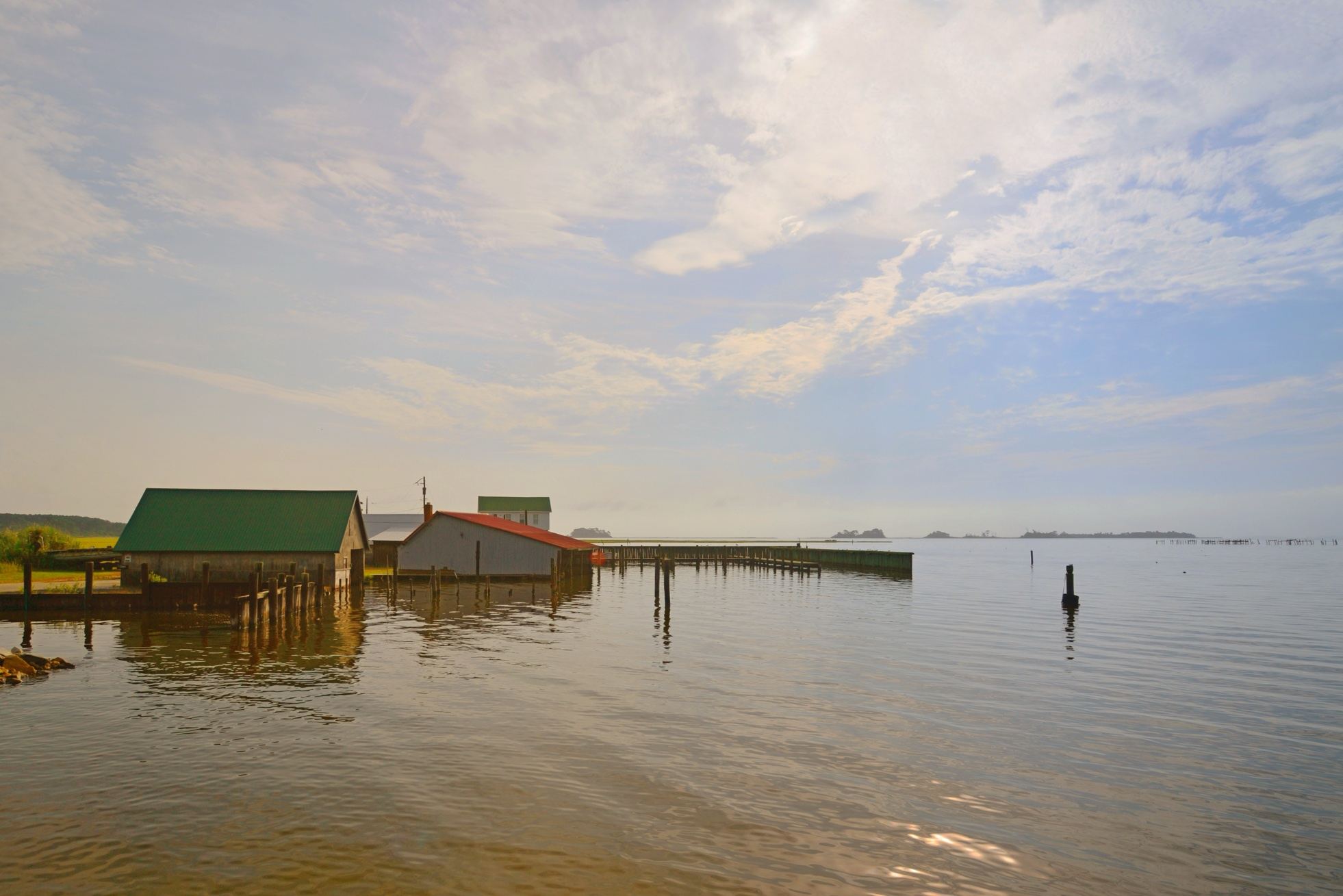
- Seaside (Atlantic side) — Wachapreague, Quinby, Oyster: shallow inlets, legendary flounder fishing, kayaking through salt marsh
- Bayside (Chesapeake side) — Onancock Creek (deep water), Cape Charles, Cherrystone: cruising and sailing
- Chincoteague / Assateague Channel — back-bay boating, wild ponies on the horizon
Notable marinas
- Onancock Wharf & Marina — town-owned, deep-water creek, walk to one of the Shore's prettiest towns
- Cape Charles marinas — growing with the town's revival; Bay access
- Wachapreague — the self-proclaimed "Flounder Capital of the World"; small-boat and charter focus
The character
This is skinny-water boating — 2–4 feet in many seaside creeks at low tide. Locals run shallow-draft skiffs and know every channel marker by heart. It's not yacht country; it's some of the best shallow-water fishing and paddling on the East Coast.
SAILING
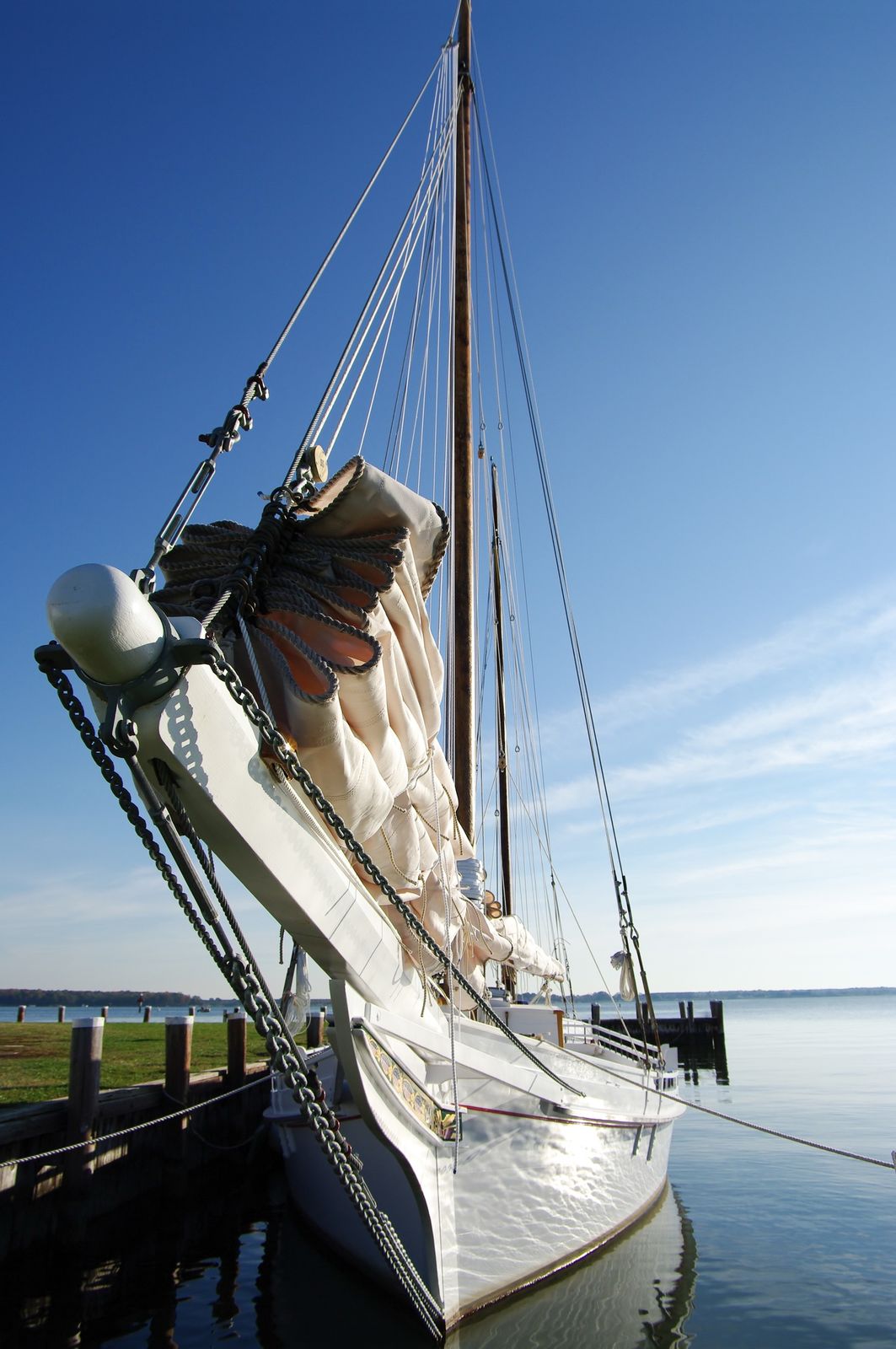
The Chesapeake's Eastern Shore is one of America's great sailing grounds — steady breezes, protected waters, endless creeks to explore. St. Michaels, Oxford, and Chestertown all have active sailing clubs and racing fleets (including the famous log canoe races, a uniquely Eastern Shore tradition with boats dating to the 1800s). Delaware's bays are sailable but shallow; Virginia's bayside creeks work for shoal-draft boats.
PADDLING: Kayak & SUP
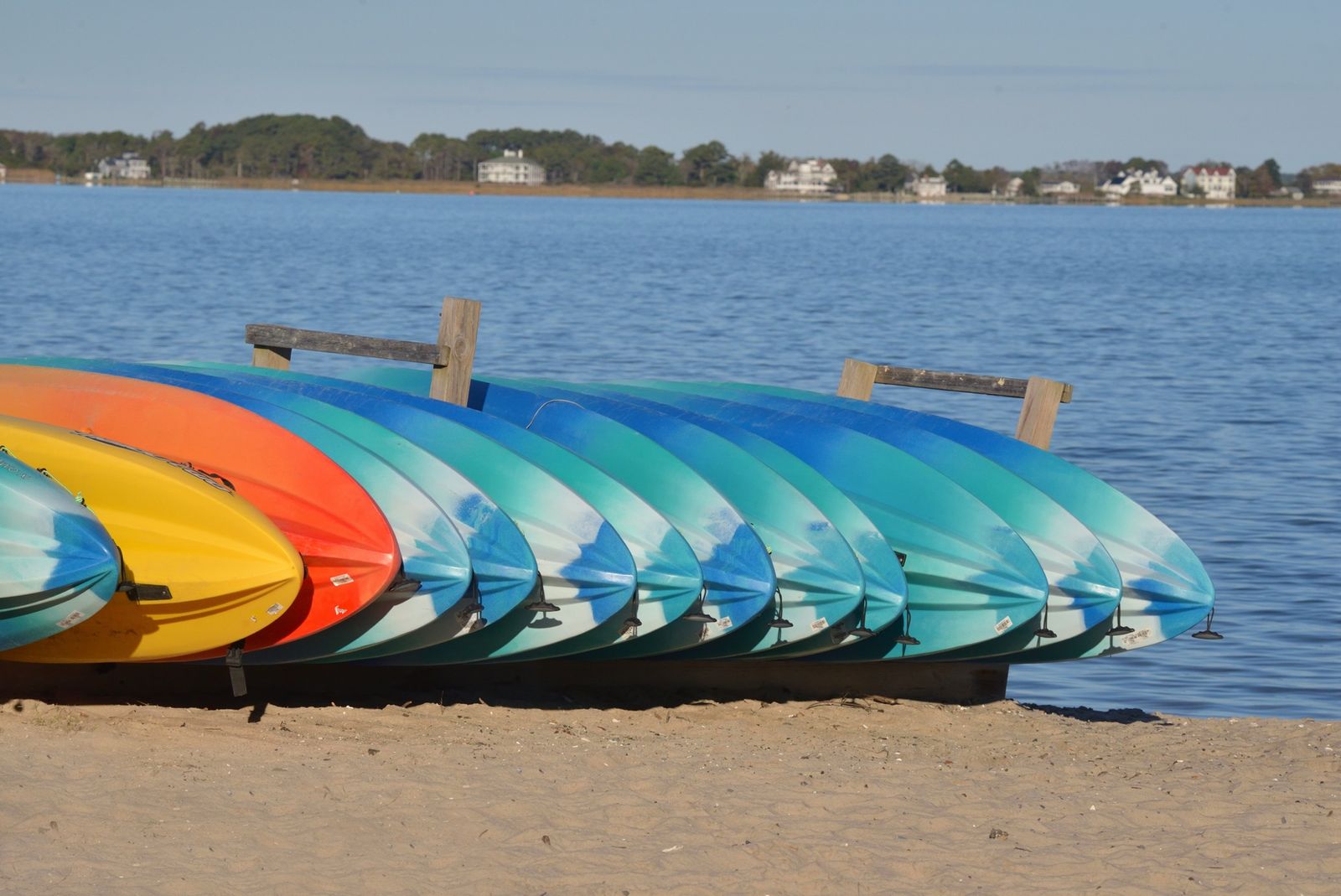
- Delaware: Assawoman Bay and Little Assawoman Bay (calm, shallow); Trap Pond State Park (bald cypress swamp — otherworldly); Prime Hook and Bombay Hook refuges
- Maryland: The Choptank and Tred Avon rivers; Janes Island State Park (Crisfield); Assateague's bayside
- Virginia: Seaside marsh creeks (Wachapreague, Oyster); Kiptopeke State Park; Chincoteague National Wildlife Refuge (bike + paddle combos)
PRACTICAL: What Boaters Need to Know
- Registration: Boats are registered by state — Delaware, Maryland, and Virginia each have their own numbering, titling, and tax rules. Moving a documented vessel between states still triggers state requirements. Check current rules with the relevant state boating agency before registering your vessel.
- Fishing licenses: Each state requires its own recreational fishing license; the Chesapeake has reciprocal agreements in some tidal waters but not all — verify before you fish across state lines.
- Boat ramps: All three states maintain extensive public ramp networks (Delaware's are managed through DNREC; many are free or permit-based). Living within 15 minutes of a ramp is a quality-of-life factor worth mapping.
- Hurricane planning: Marinas require hurricane plans for seasonal slipholders. Ask about haul-out priority, storm surge exposure, and named-storm deductibles on boat insurance — Delmarva's low elevation makes this non-optional.
- Winterization: The season runs roughly April–November; most marinas offer winter storage (wet or dry) and winterization services.
BOATER'S RELOCATION CHECKLIST
- How deep is the water where I'd keep the boat? Draft vs. depth at low tide is the #1 mistake relocating boaters make — especially on Delaware's bays and Virginia's seaside.
- How far to the inlet or open water? A "waterfront" home 45 minutes up a no-wake creek is a different boating life than one near the inlet.
- Slip availability, not just slip cost. Popular marinas have waitlists — call before you buy the boat (or the house).
- What are the bridge and channel restrictions? Fixed bridges limit sailboats; shoaling shifts channels yearly.
- Trailer or slip? Many Delmarva boaters trailer — factor in tow vehicle, storage, and ramp proximity.
Sources: Waterway Guide, Snag-A-Slip, Marinalife, City of Lewes (Canalfront Park Marina), Delaware State Parks, marina operator listings. Rates and availability change seasonally. time.