
From the Bay to the Boat: Delmarva's Seafood, Season by Season
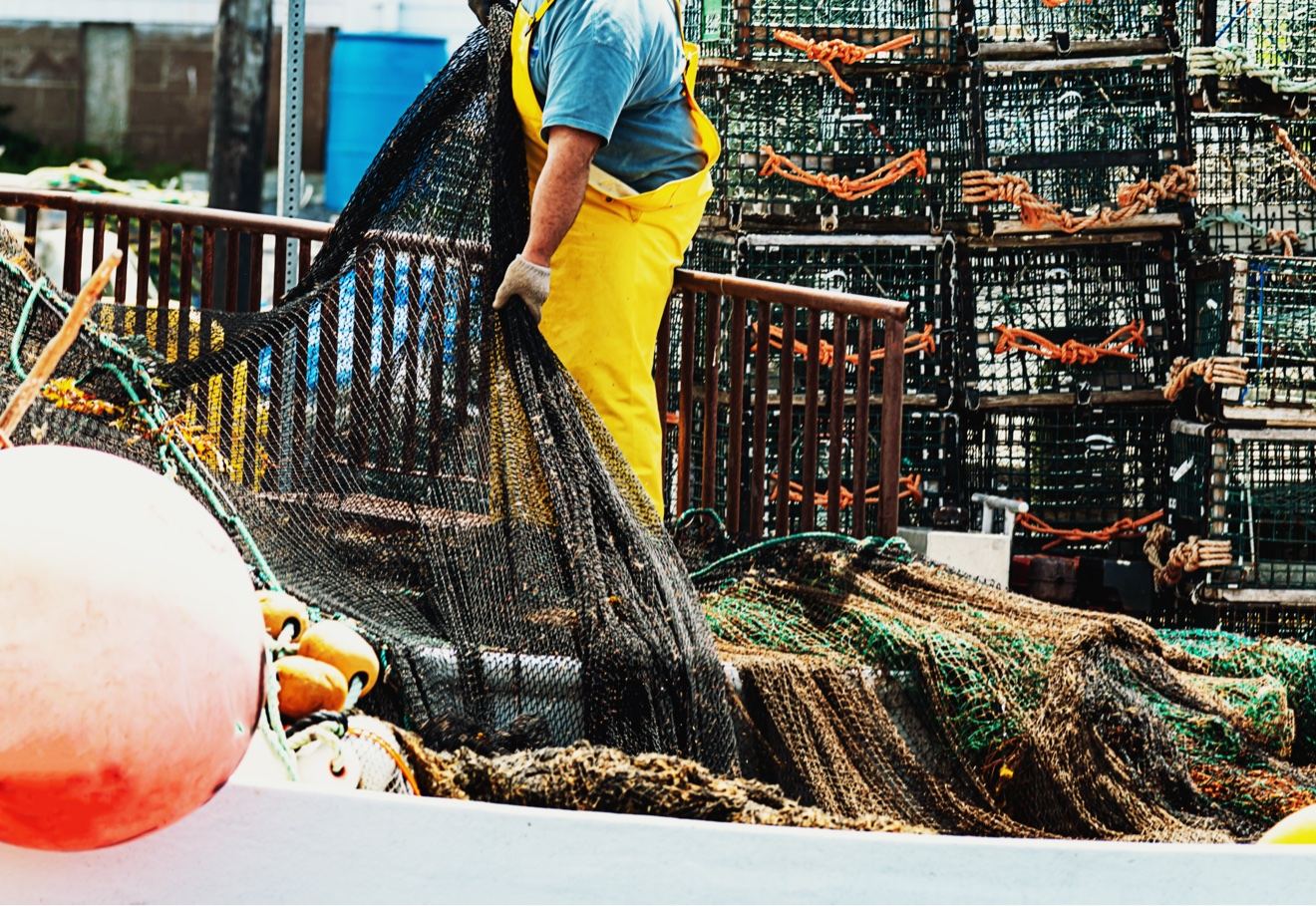
If you live on Delmarva, you don't just eat seafood. You plan around it — the first soft-shells of May, the bushel of crabs on a summer Saturday, the oyster roast when the air turns cold. This is a local's guide to what comes out of our waters, when it runs, and how to enjoy it like you belong here.
The Icon: Maryland Blue Crab
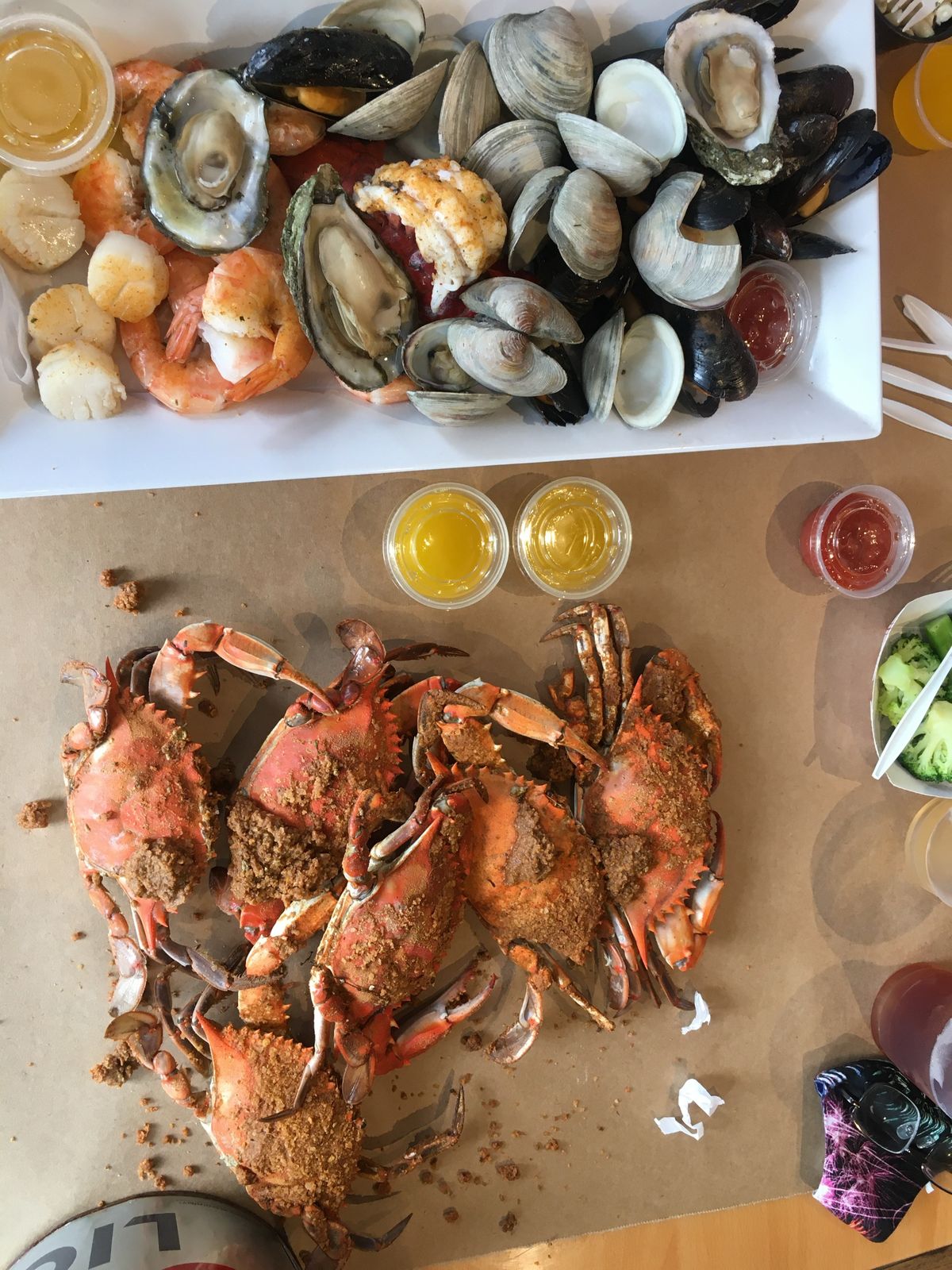
Let's start with the obvious. The Maryland blue crab isn't just dinner on Delmarva — it's a way of life. Summer here is measured in crab feasts: newspaper-covered tables, wooden mallets, and the particular joy of picking a steamer that's heavy for its size.
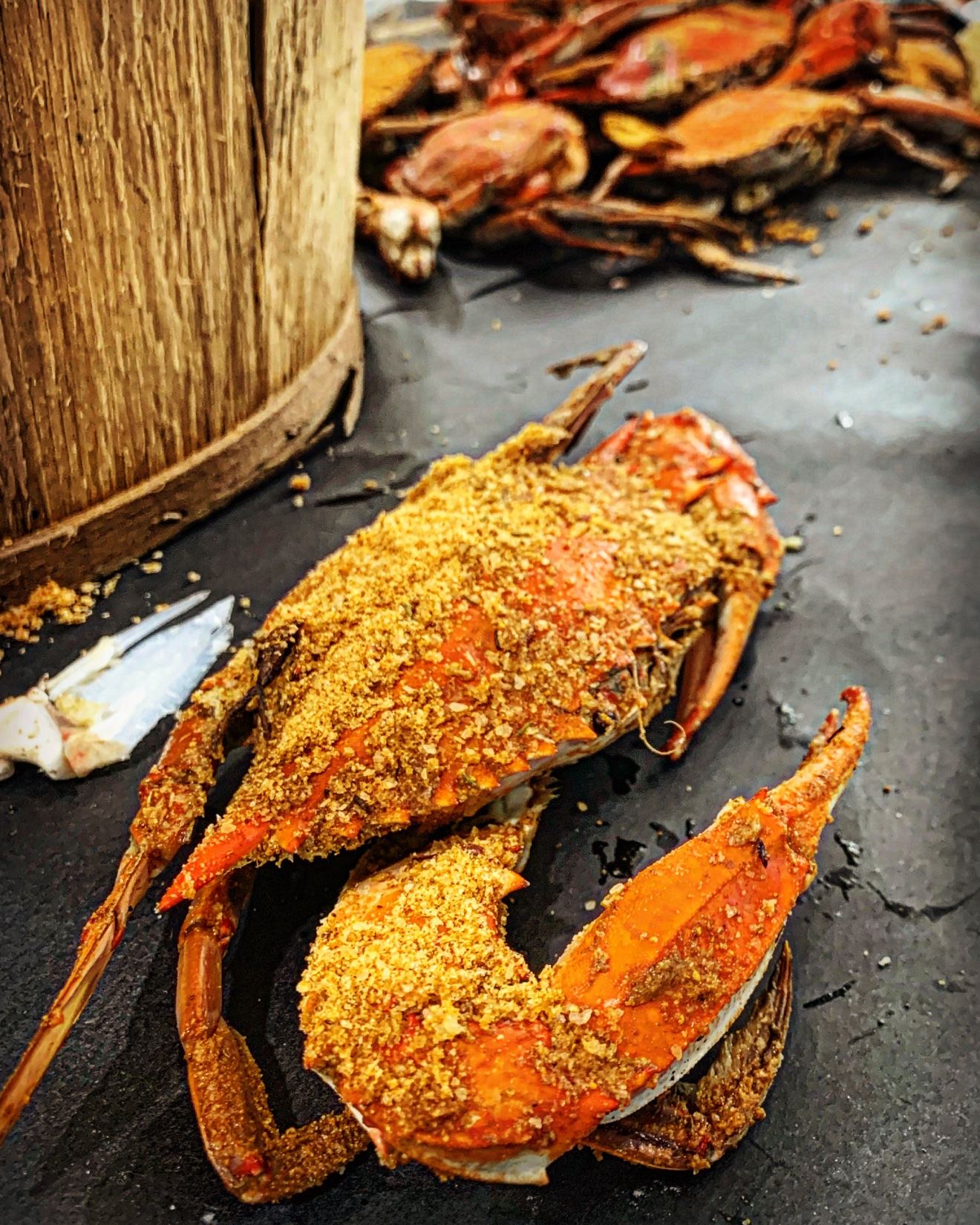
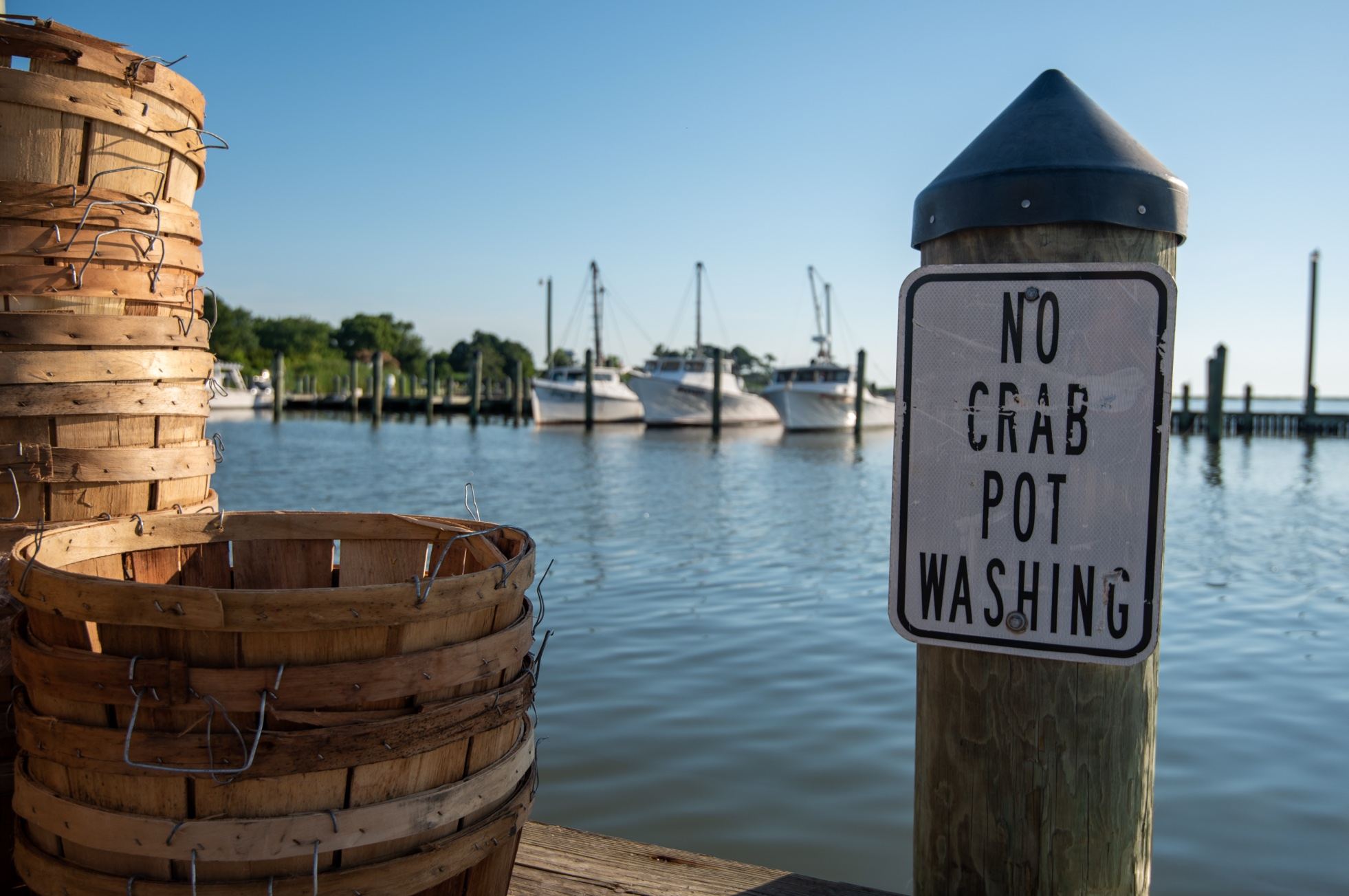
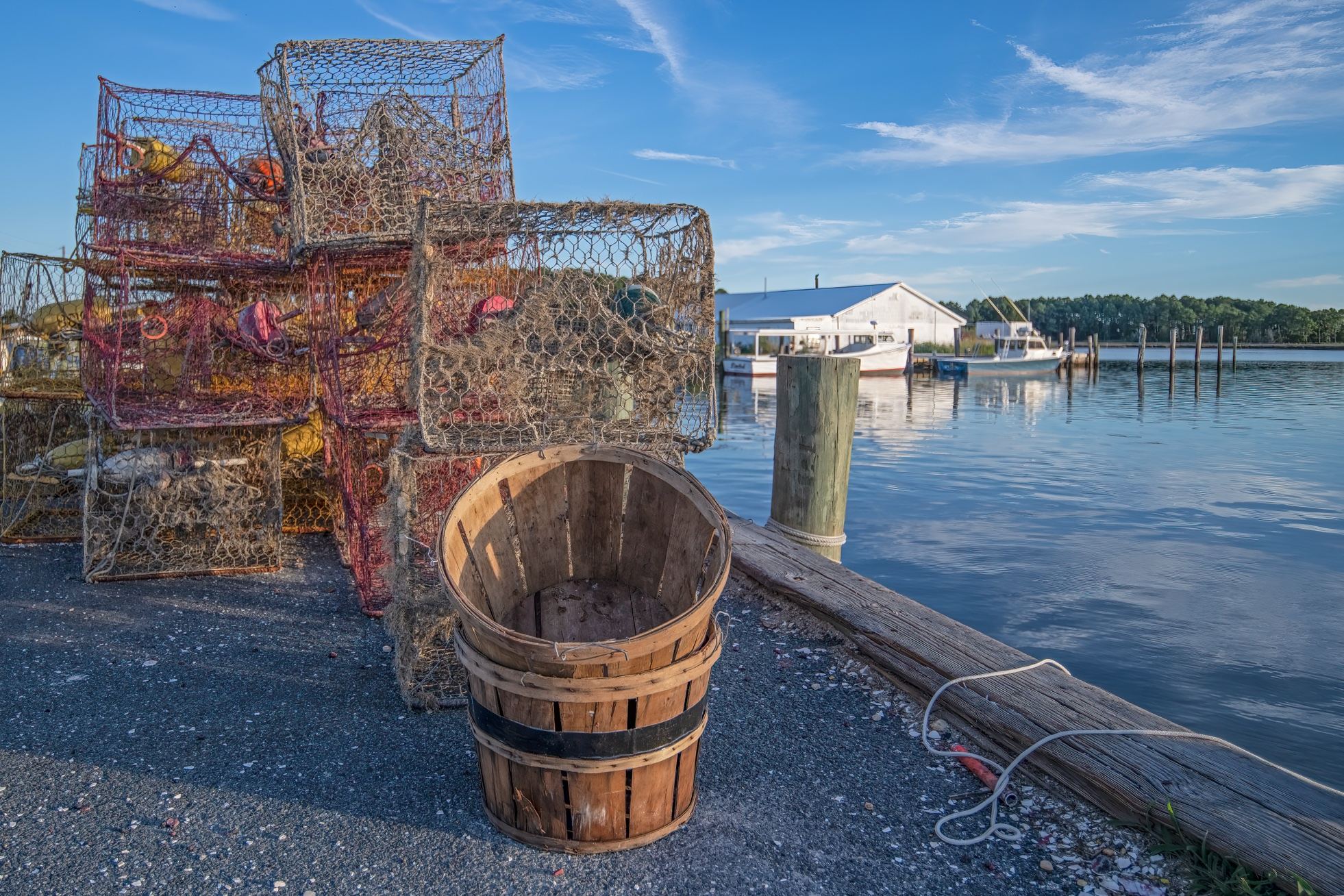
When: Hard-shell season generally runs spring through fall, with the peak in the warmest months. Soft-shell crabs — the ones you eat whole, sandwich-style — appear in late spring and early summer when crabs shed their shells.
How the locals do it: A true crab feast means steamed crabs (never boiled, the old-timers will tell you), seasoned hard, served by the dozen or the bushel. All-male "jimmies" are the meatier pick; females ("sooks") have their loyalists too. If you're buying to steam at home, look for crabs that feel heavy — that's the meat talking.
Where the boats work: The Chesapeake's Tangier Sound and the coastal bays are the heart of blue crab country. Watermen still trotline and pot-crab these waters the way their grandfathers did. When you buy local, you're buying from one of the last great wild-caught fisheries on the East Coast.
Where to eat them: Crab houses cluster around the working waterfronts — Crisfield and the Tangier Sound towns on the bay side, and dockside spots around the coastal bays. Look for paper-covered tables, crabs sold by the dozen or the bushel, and a chalkboard listing the day's sizes. In season, the surest sign is a parking lot full of local plates.
The Comeback: Oysters
The Chesapeake oyster has a story worth knowing. After decades of decline, oyster aquaculture and reef restoration have brought these bivalves roaring back — and Delmarva's oyster bars are better than they've been in generations.
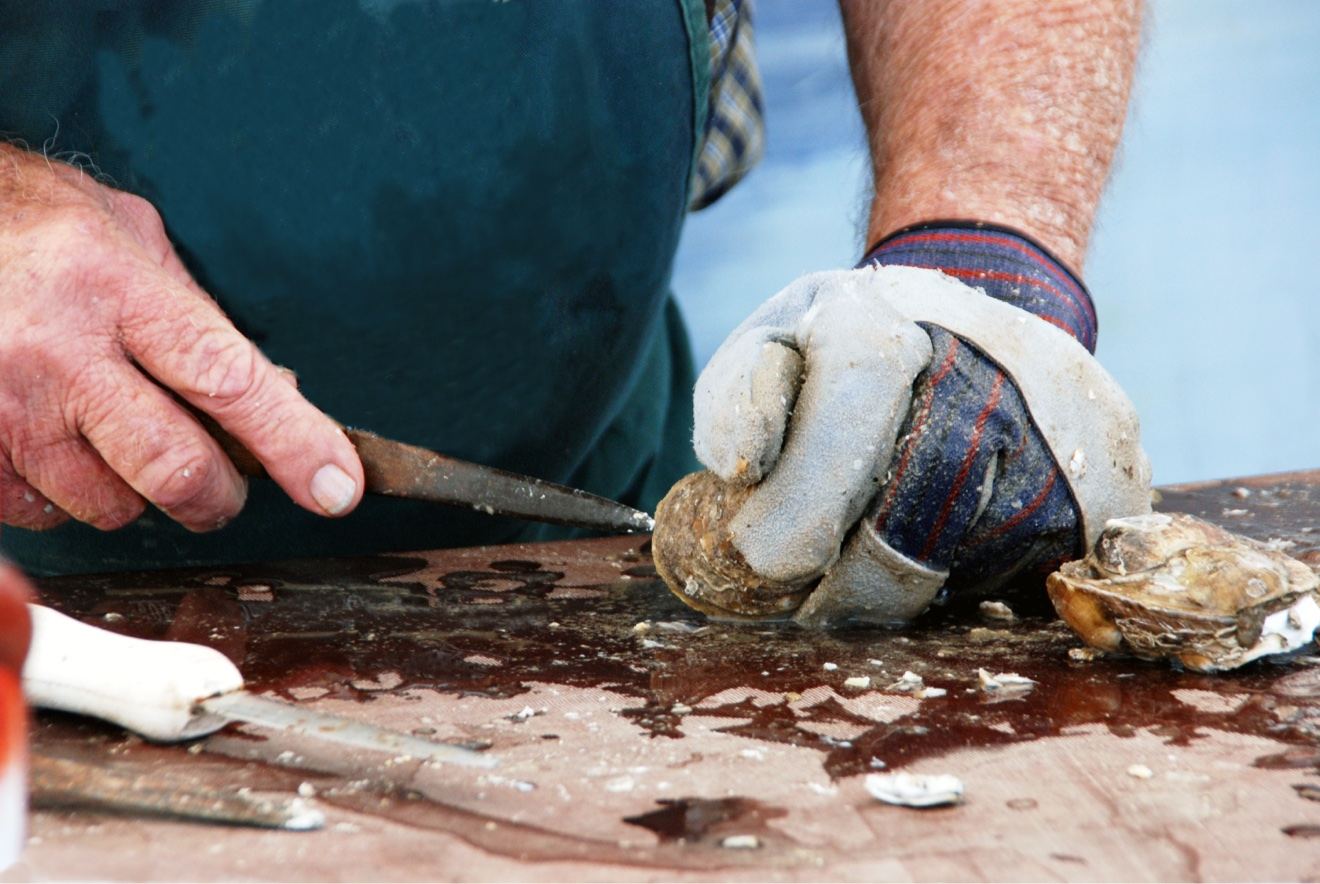
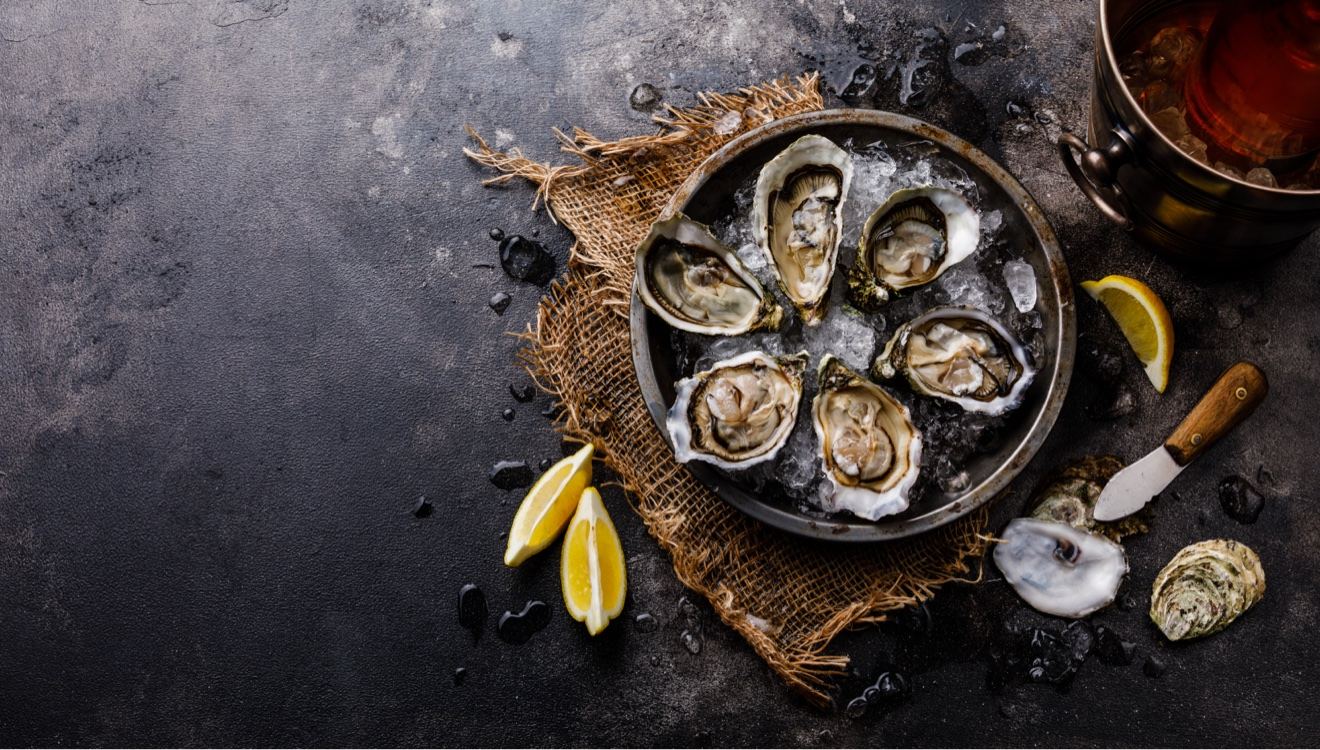
When: Tradition says months with an "R" — September through April. Modern aquaculture means farmed oysters are excellent year-round, but there's still something right about a raw oyster when the air has a chill in it.
What to know: Chesapeake oysters tend toward the briny-sweet side, shaped by the Bay's mix of fresh and salt water. Each creek and river grows a slightly different oyster — ask what's local and where it was raised. That's not foodie pretension; that's how watermen have always talked about their harvest.
Try it like a local: Raw on the half shell with nothing but a squeeze of lemon. Or roasted over a fire at an oyster roast — the Delmarva fall tradition where bushels of oysters go on a grill (or a sheet of metal over coals) and everybody stands around shucking with an oyster knife and a gloved hand.
Where to eat them: Raw bars in the bay towns serve local oysters identified by the creek or lease they came from — ask which beds are being harvested that week. Fall and winter oyster roasts are hosted by fire companies, churches, and seafood markets across the Shore; they sell out, so buy tickets when they post.
The Offshore Stars: Marlin, Tuna, and the Canyon Fleet
Here's what surprises newcomers: Delmarva isn't just a crab-and-oyster town. Sixty miles offshore, the continental shelf drops into the Baltimore, Wilmington, and Norfolk Canyons — deep water where some of the Atlantic's great game fish run.
White marlin and blue marlin are the headliners. Every August, Ocean City hosts the White Marlin Open — billed as the world's largest billfish tournament — when hundreds of boats chase qualifying white marlin and blue marlin for life-changing prize money. Even if you never fish it, the weigh-ins at the scales are pure Delmarva summer theater.
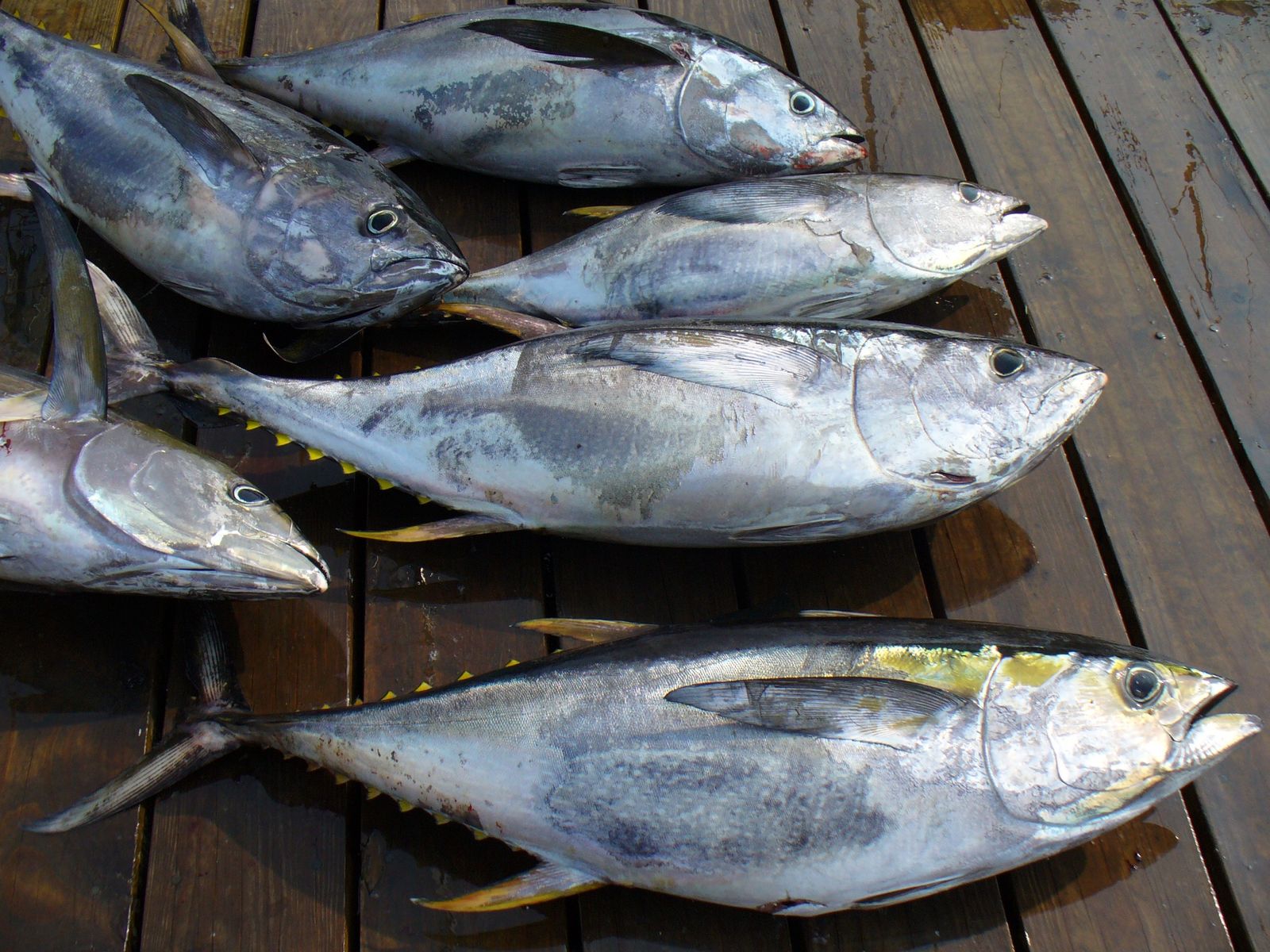
The same waters hold yellowfin and bigeye tuna, mahi-mahi, and wahoo. You don't need your own sportfisher to taste them — the day-boat fleet and local seafood markets bring the offshore catch to shore.
Getting on the water: Charter fleets run out of Ocean City, Indian River, and Lewes for the ocean side, and out of bay ports such as Crisfield for bay fishing. Dockside restaurants near the marinas are where the fleet's catch shows up on menus the same evening.
The Inshore Favorites
Rockfish (striped bass) is Maryland's state fish and the Chesapeake's signature catch. The Bay is the primary spawning ground for the Atlantic striped bass population — which means the fish on your plate has deep local roots. Spring trophy season and the fall run are the times the whole peninsula talks about.
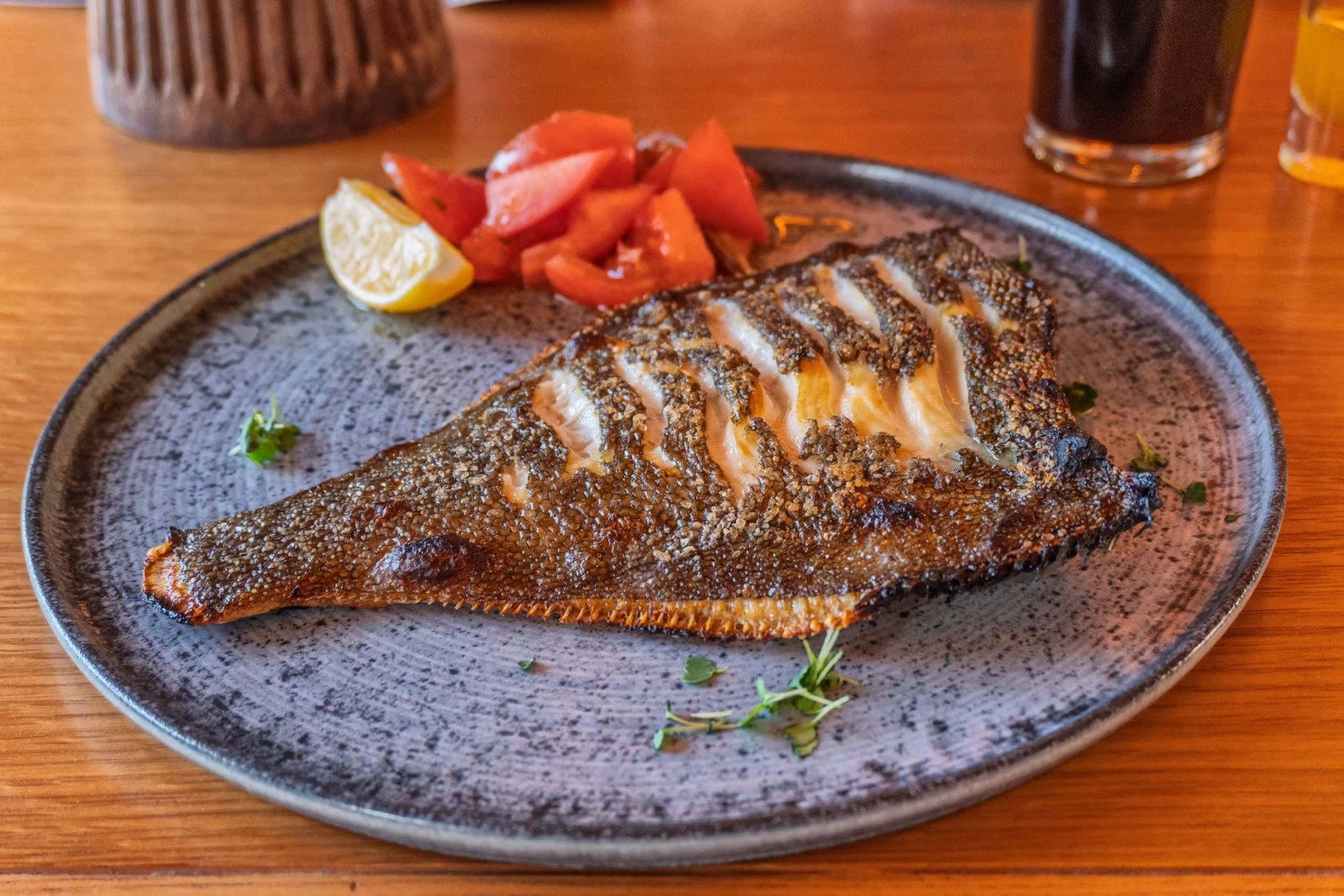
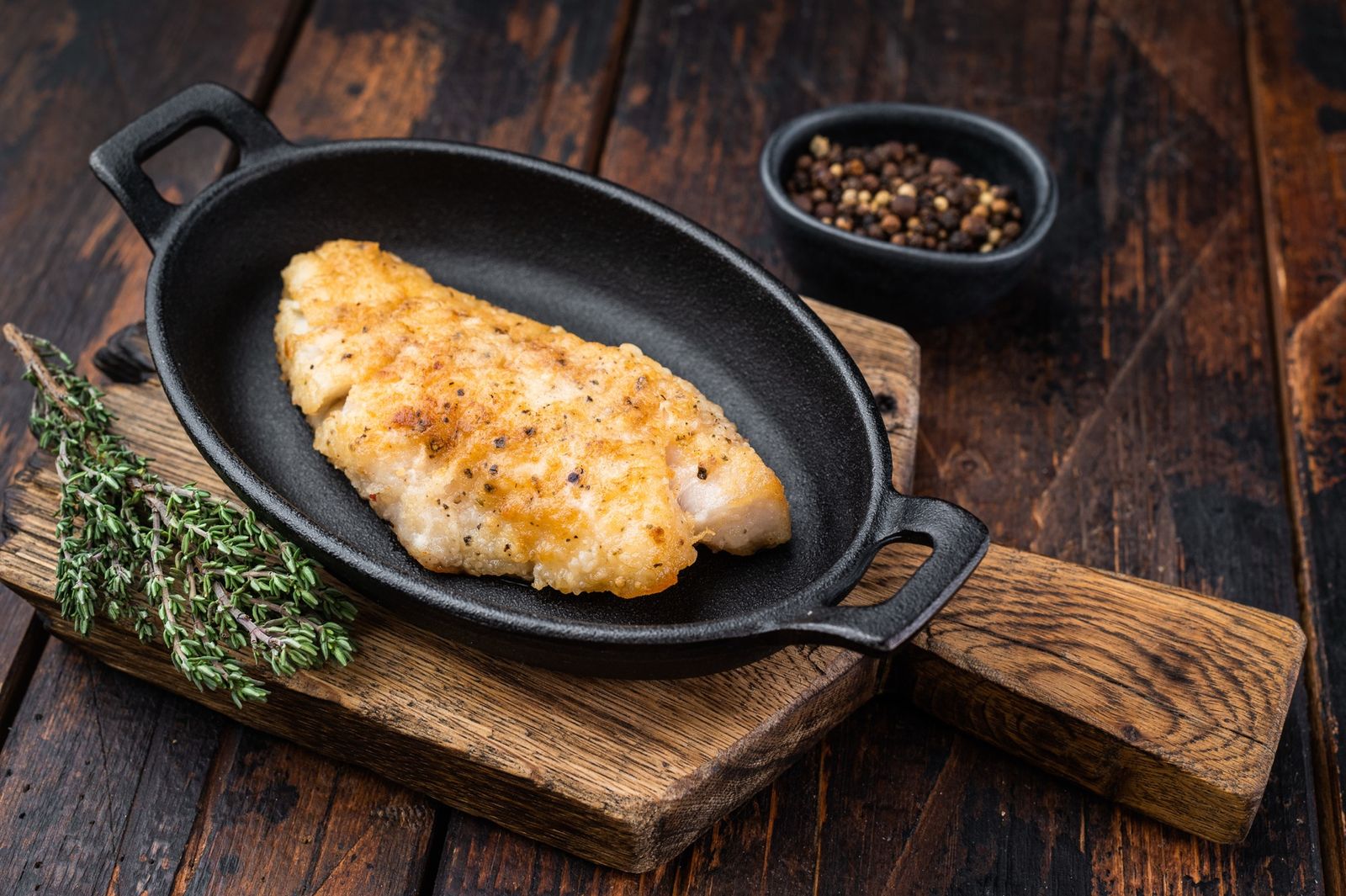
Flounder — summer flounder, or fluke — is the coastal bays' favorite table fish: mild, sweet, and perfect simply prepared. The back bays behind Ocean City and the Delaware beaches give up flounder all summer.
Sea trout (weakfish), bluefish, and croaker round out the inshore cast — the fish of dock-side tales and family fishing trips.
The Quiet Bounty: Scallops, Clams, and Sea Bass
The Mid-Atlantic sea scallop fishery is one of the most valuable fisheries in the entire country, and Delmarva's ports land their share. If you've had a great sea scallop in a white-tablecloth restaurant anywhere in America, there's a real chance it came through these waters.
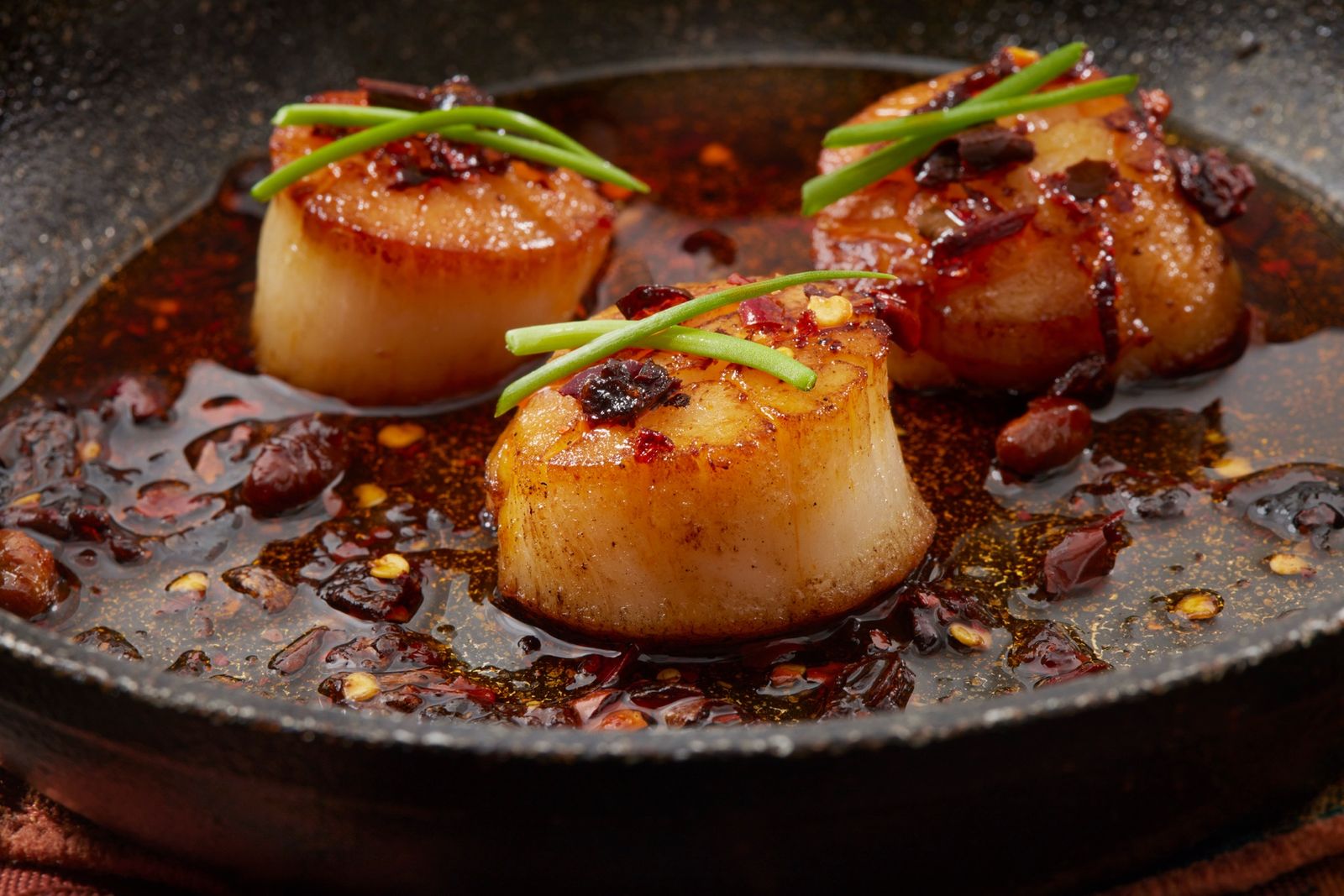
Clams — chowder clams, littlenecks, cherrystones — come from the coastal bays and the seaside of the Eastern Shore. And black sea bass, caught on the offshore wrecks and reefs, is the sweet-fleshed fish that chefs love and locals order without thinking twice.
Buying Direct: From the Dock to Your Kitchen
Some of the best seafood on Delmarva never sees a restaurant. Here's how to buy like a local:
- Seafood markets in the beach towns and fishing villages sell the day's catch — ask what's local and what came off the boat that morning.
- Crab houses often sell live crabs to go, steamed to order.
- Dockside buying is real in working waterfronts — Crisfield calls itself the "Seafood Capital of the World," and its docks still move serious volume.
- Community-supported fisheries (CSFs) and watermen's co-ops are growing — ask around at the farmers' markets.
The rule is simple: the shorter the distance from water to plate, the better it tastes.
Eating Out: Crab Houses and Dock Bars
Delmarva's seafood restaurants fall into two glorious categories: the crab house (paper on the tables, mallets, pitchers of beer) and the dock bar (deck over the water, crushes at sunset, the day's catch on the menu). You need both in your life.
- Crab houses: look for steamed crabs by the dozen, corn and hush puppies on the side, and no tablecloths anywhere.
- Dock bars and waterfront restaurants: deck seating over a marina or tidal creek, a raw bar, and sunset as the main event.
- Seafood markets: the beach-town markets sell the day's catch to cook at home and steam crabs to go — ask what came off the boats that morning.
Festivals and Traditions
Seafood on Delmarva comes with a calendar of celebrations — crab feasts, oyster roasts, fishing tournaments, and waterfront festivals up and down the peninsula. (Festival schedules change yearly — check dates before you go.)
A Note on Eating Responsibly
Delmarva's waters have fed people for centuries, and keeping them productive is everybody's business. Buying local supports the watermen who work these waters. Farmed oysters and clams actually improve water quality as they grow. And size and season limits on rockfish, flounder, and crabs exist so your grandchildren can have a crab feast too — respect them.
That's Delmarva on a plate — from a bushel of steamed crabs to a white marlin at the scales. Eat seasonally, buy local, and never, ever ask for the crab cake to be "extra." Around here, the crab cake is already perfect.