
Sea Life: The Marine World Off Delmarva's Coast
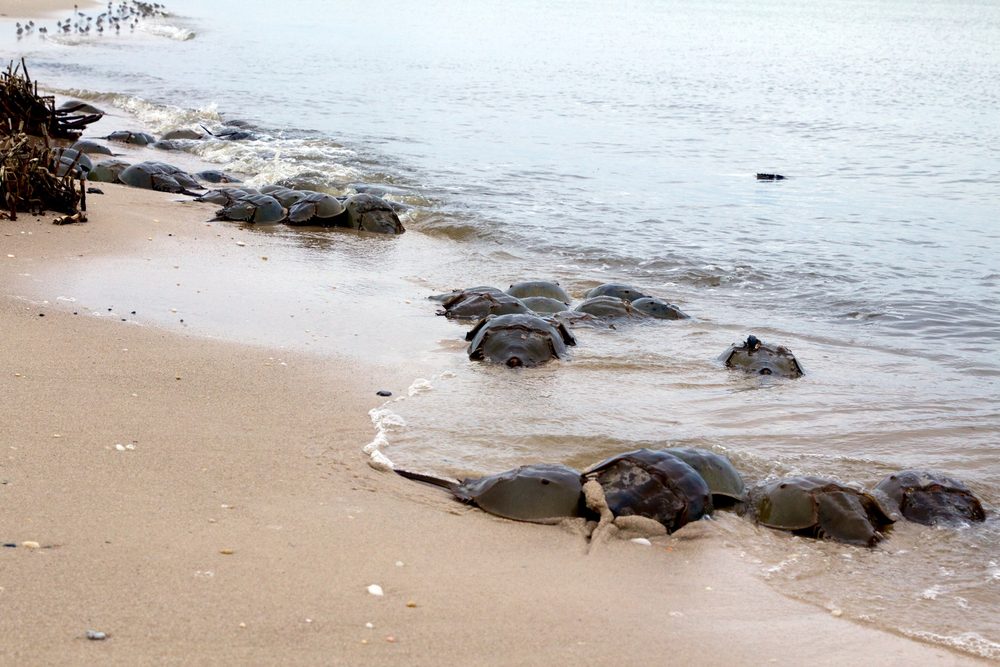
Dolphins at dawn, whales off Lewes, turtles on the sand — a field guide to the wild ocean life sharing your shoreline.
Delmarva residents tend to think of the ocean as scenery. Spend a morning on the beach in August or a quiet afternoon on a bay cruise in October and it stops being scenery fast. Dolphins work the surf line like they own it. In recent years, humpback whales have started showing up with surprising regularity off the Delaware coast. Seals haul out on remote stretches of sand in winter, sharks do their quiet work farther out, and the fishing culture here — charter boats, surfcasters, kids crabbing off a dock — is as much a part of the peninsula as the beach umbrellas.
This is the marine half of Delmarva's wildlife story. The shoreline half — horseshoe crabs, shorebirds, Assateague ponies — is covered in the Birds and Wildlife of Delmarva guide. This one stays offshore and on the water.
Dolphins: The Regulars
Bottlenose dolphins are the most visible marine life on the Delmarva coast, and the most reliable wildlife sighting you can get without planning anything. They travel the nearshore waters from spring through fall, feeding along the surf line and riding the swells just beyond the breakers.
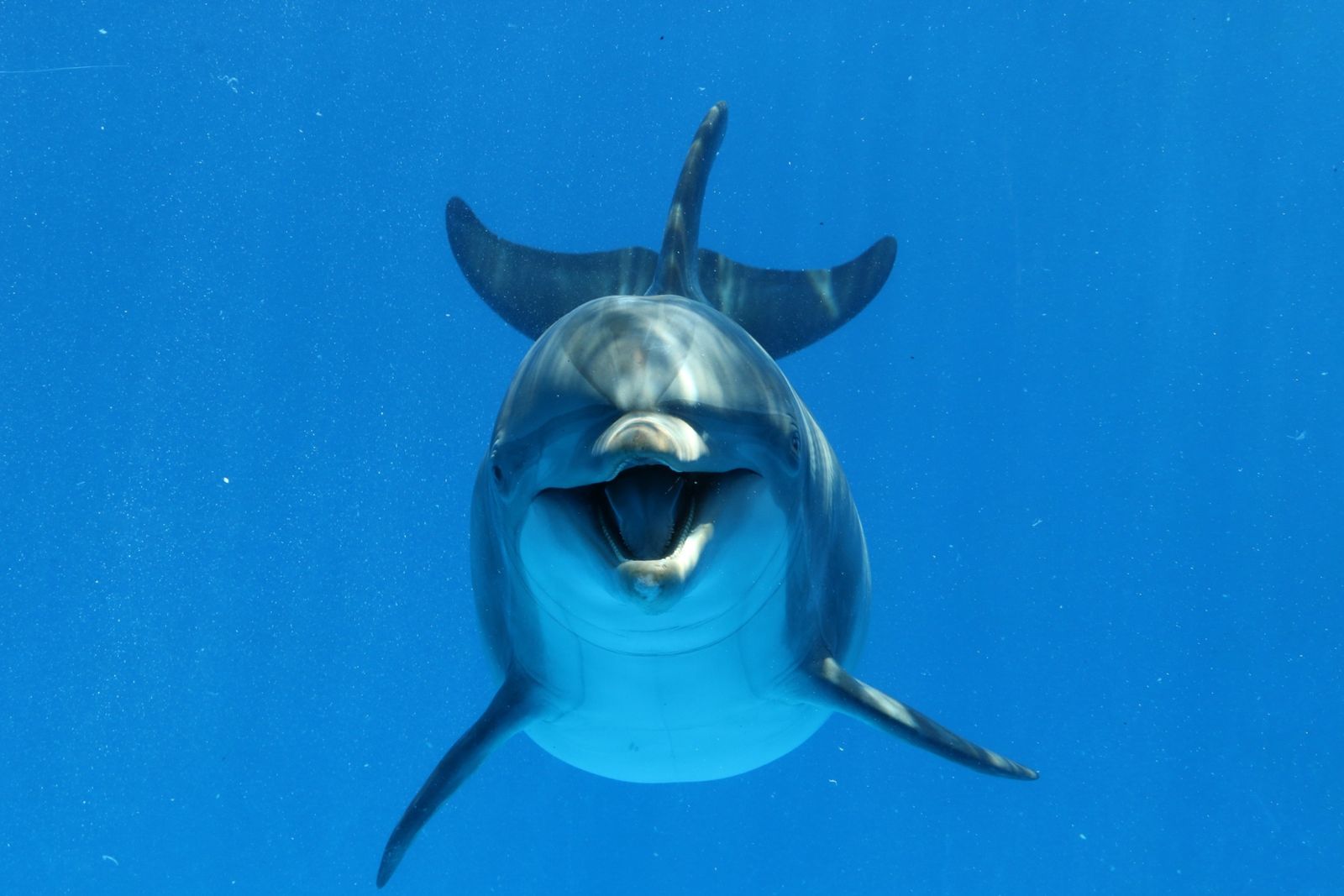
Bow-riding and surf-play. Dolphins frequently surf boat wakes and ride the pressure wave off a hull, which is why a slow boat ride along the coast or up Delaware Bay often turns into an impromptu dolphin show. They're curious animals — pods of a dozen or more are not unusual in peak season — and they tend to approach rather than flee. That's a treat, not an invitation to chase them.
Best viewing tips.
- Go early. Calm mornings give you the glassy water that makes fins and arcs easy to spot.
- Bring binoculars and watch the water just outside the surf — dolphins work that band.
- Jetties, inlets, and bay mouths (Roosevelt Inlet at Lewes, the mouth of the Indian River Inlet, the Ocean City Inlet) are reliable feeding zones where fish concentrate.
- Give them space. Federal rules prohibit harassing marine mammals — never swim toward dolphins, feed them, or try to touch them. Feeding dolphins teaches them to approach boats and fishing lines, which gets them injured or killed.
- The dawn hours at the inlet mouths are the classic window — glassy water, feeding fish, and dolphins working the current lines before the boat traffic builds.
Humpback Whale Watching: The New Star Attraction
The most exciting marine-wildlife development on the Delmarva coast in recent years is the growing presence of humpback whales off Delaware. Once rare here, humpbacks now appear with regularity in the nearshore Atlantic, feeding on baitfish — often close enough to be seen from the beach on the right day, and reliably from boats.
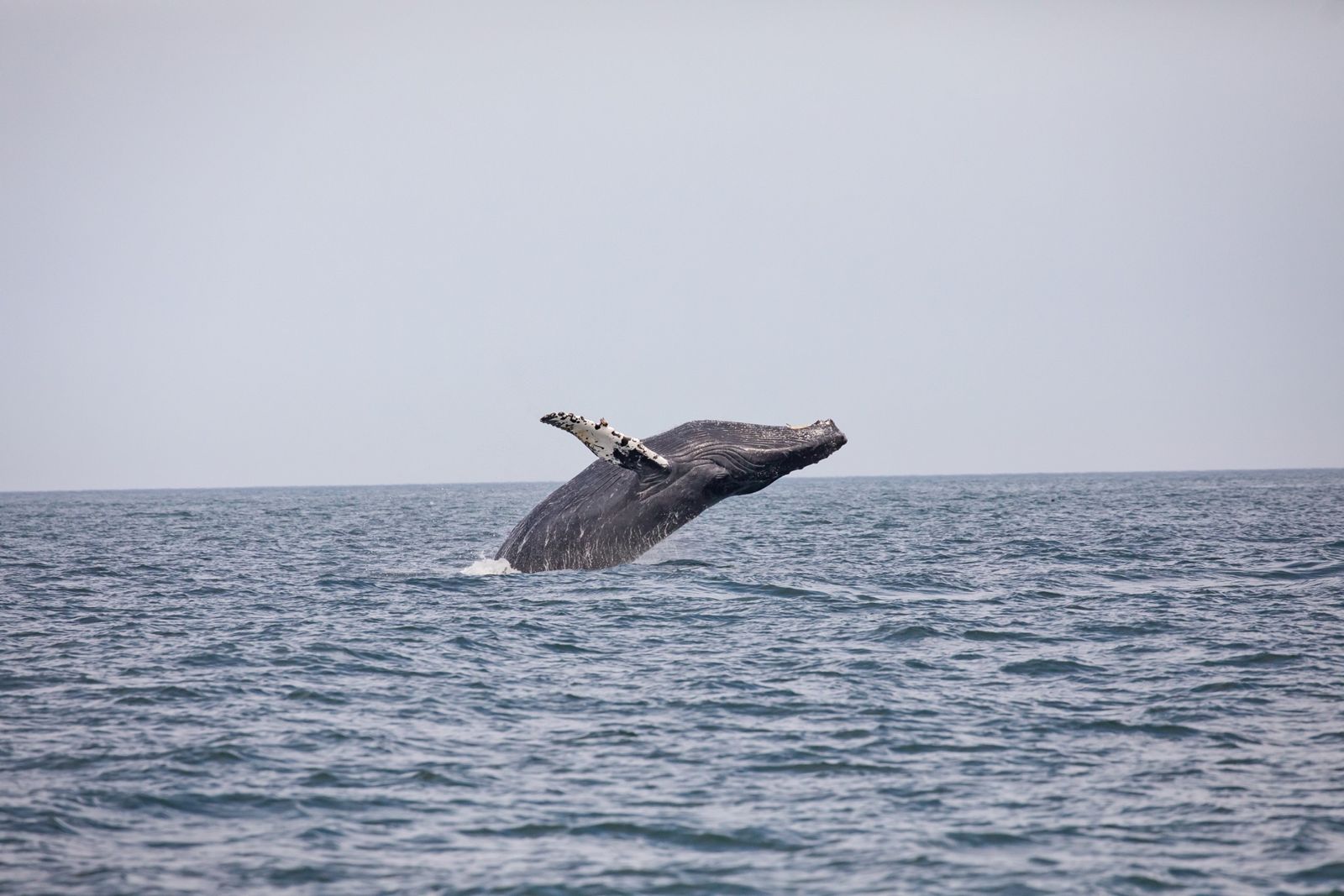
What the experience is. Whale-watching cruises run out of Lewes, typically a couple of hours long, motoring a few miles offshore where feeding humpbacks have been sighted. Sightings are seasonal and weather-dependent — there's no guarantee on any given trip — but the whale-watching season here has been extending as the animals' visits grow more predictable.
Before you go.
- Whale season and schedules vary year to year — check departure schedules, booking requirements, and what's running this season before you go.
- Dress warmer than you think. It's ten degrees cooler offshore, and wind on the ride out is real.
- Bring binoculars if you have them; operators usually scan the water and announce sightings.
- Keep your camera ready but watch with your eyes first — a humpback lunge-feeding at the surface is something you want to actually see.
- Federal viewing guidelines require boats to keep a respectful distance (generally 100+ yards from humpbacks) — never approach a whale in your own boat, and never attempt to swim with one.
Local word of mouth is consistent on two points: go on a calm morning, when the water is flat enough to spot blows and backs at a distance, and treat any sighting as a bonus rather than a promise — the trips are a good boat ride regardless, with dolphins and seabirds as common company.
Sea Turtles: Rare Nesters, Worth Knowing About
Loggerhead sea turtles occasionally nest on Delmarva beaches — it's uncommon, and our sand isn't prime turtle real estate compared with the Southeast, but nests do get reported most summers. Green turtles and other species may pass through offshore. The hatchlings that make it face long odds, which is why a found nest matters.
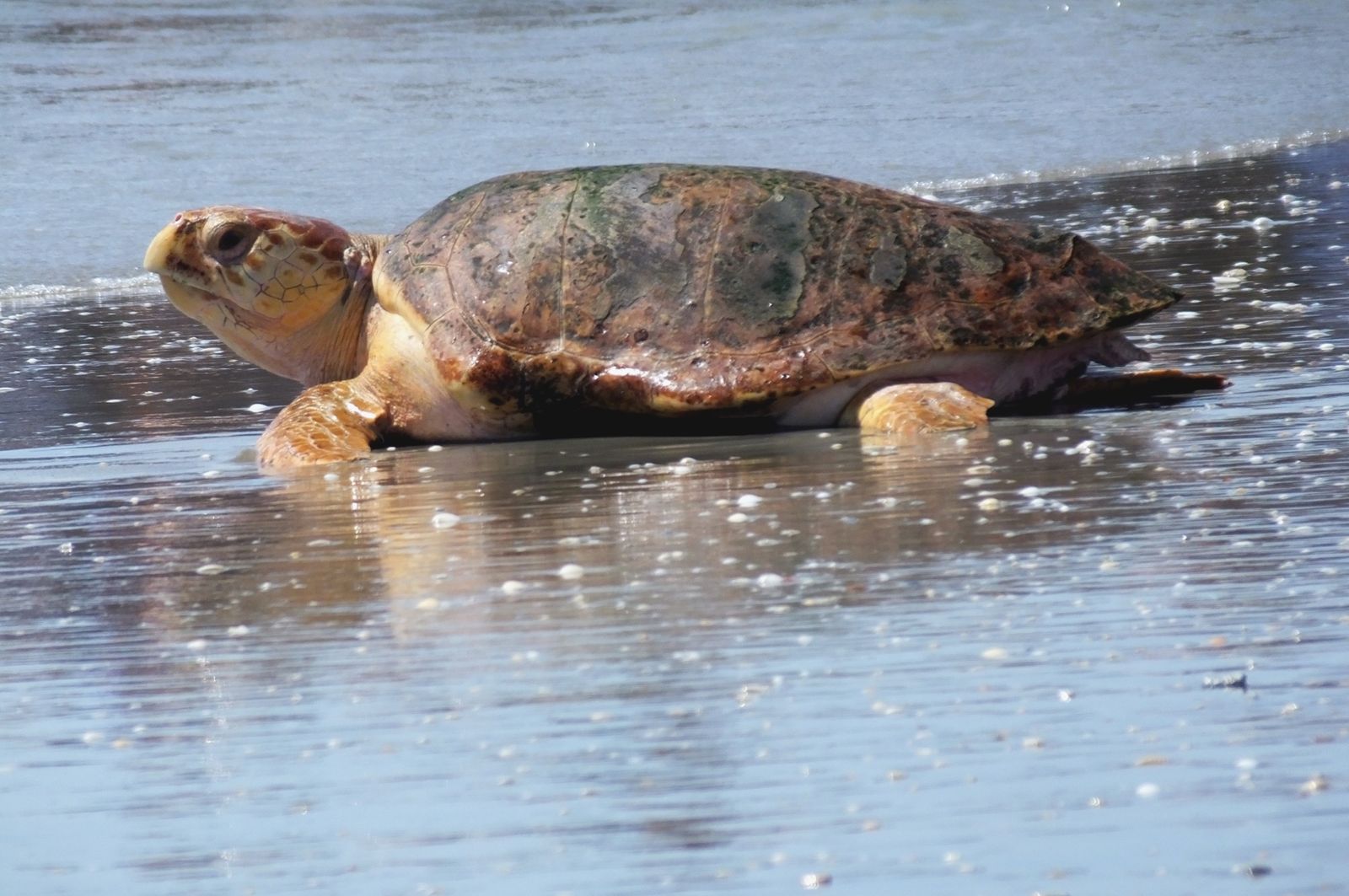
If you spot a nest or a nesting turtle:
- Do not touch, move, or dig around the nest or the turtle. Keep your distance and keep dogs leashed and away.
- Do not use flash photography on a nesting female or emerging hatchlings — artificial light disorients them. Beachfront homeowners: keep exterior lights turtle-friendly or off at night during nesting season.
- Mark the area only if you can do it safely without disturbing the nest, then notify the state wildlife agency (Delaware's DNREC handles wildlife reports in Delaware; Maryland and Virginia residents should contact their state's natural-resources agency). Let trained staff confirm and protect it.
- If you see hatchlings heading away from the water or stranded, don't relocate them yourself — call the wildlife agency.
Turtle-safe beach habits: fill in deep holes and knock down sandcastles before you leave (hatchlings get trapped), secure trash that can tangle wildlife, and keep beach furniture out of the surf line.
Winter Seals: The Cold-Season Visitors
From late fall through early spring, harbor seals — and occasionally gray seals — haul out on quiet Delmarva beaches, sandbars, and marshy islands. They come south for the winter fishing and rest here, and some haul-out sites host the same animals year after year.
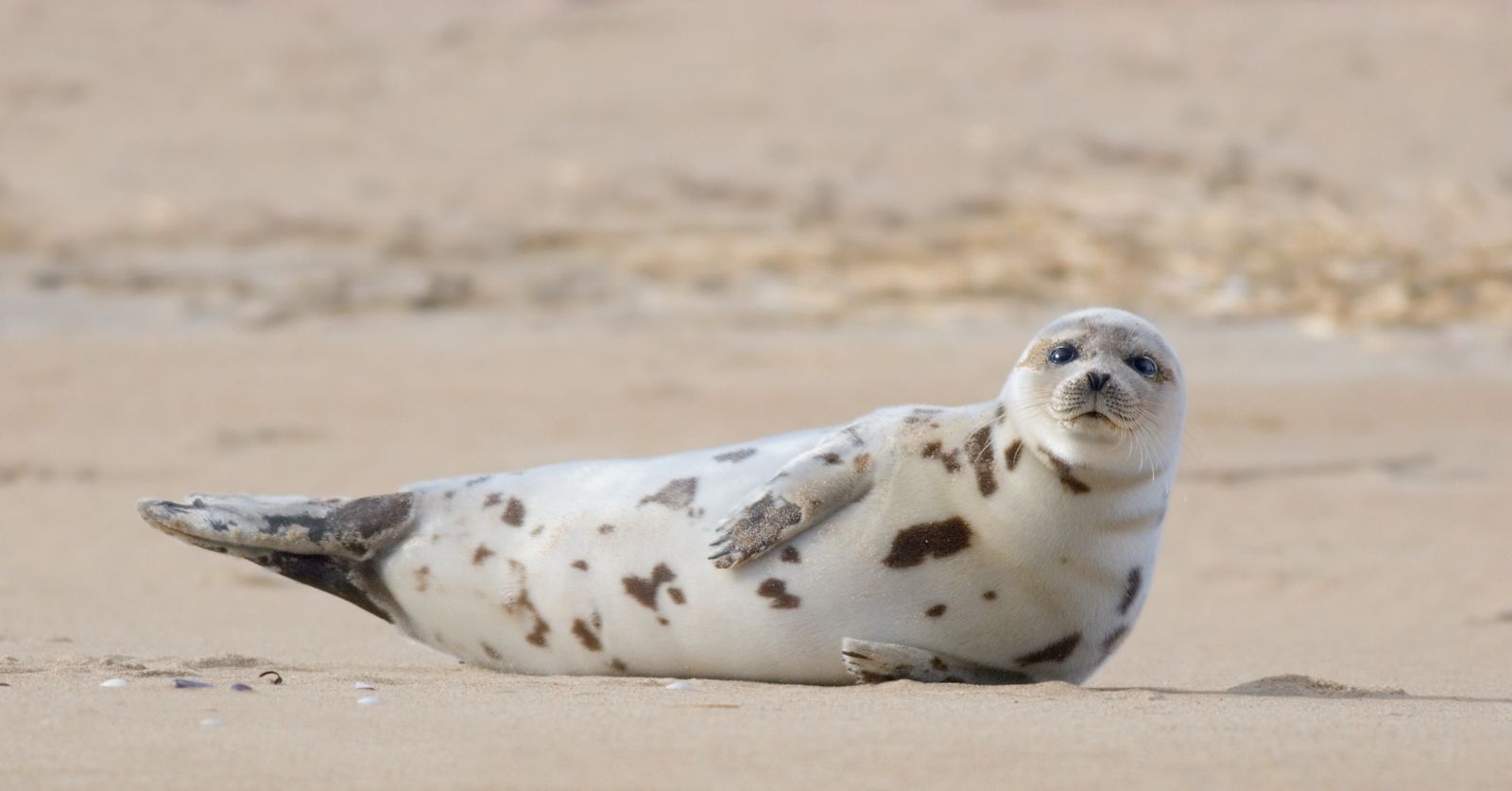
How to see them. Seal sightings peak December through March. Look for them resting on remote stretches of sand at low tide, often near inlets and back bays. Assateague, the remote oceanfront of Delaware's state parks, and the bay side of Cape Henlopen are among the places locals report them.
Seal etiquette — this is the important part:
- Stay at least 150 yards away (roughly a football field and a half). Seals rest on shore because they need to; forcing them back into the water burns critical energy reserves.
- Keep dogs leashed and well away — a dog harassing a seal is both a wildlife violation risk and a danger to the dog.
- Never feed seals. Never try to move or "rescue" a seal that looks healthy but is simply resting.
- If a seal appears injured, entangled, or sick, do not approach — report it to the state wildlife agency or the marine mammal stranding network.
- Use binoculars. The seals don't care that you're there, and that's the whole point.
Sharks: Straightforward Facts, No Sensationalism
Let's be plain about it: sharks live in the Atlantic, including off Delmarva. They always have. They are part of a healthy ocean, and most species here — sandbar sharks, smooth dogfish, sand tigers — are not a danger to swimmers. Interactions with people are extraordinarily rare.
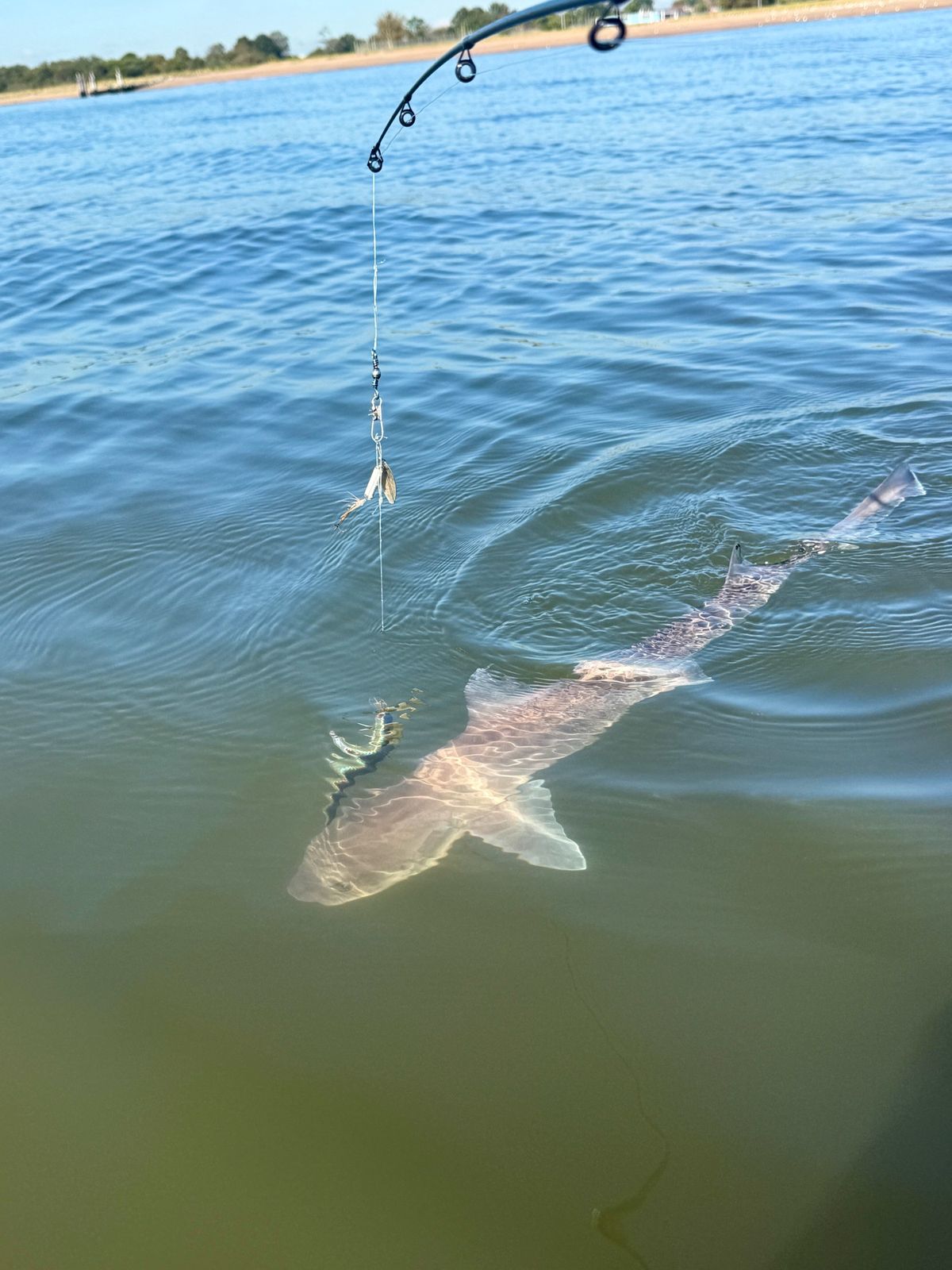
What actually reduces your already-tiny risk:
- Swim near guarded beaches and within sight of lifeguards during guarded hours.
- Avoid swimming at dawn and dusk, in murky water, or near fishing activity (bait in the water, fish cleaning, bird-feeding frenzies).
- Don't swim alone, and don't wear shiny jewelry that flashes like a fish.
- If you see a shark, calmly leave the water — don't splash or thrash. Tell a lifeguard.
- Remember: the drive to the beach is statistically the dangerous part of your day.
Shark fishing from the beach and piers is regulated — check current state size, season, and tackle rules before rigging for sharks.
The Fishing Culture: Offshore, Surf, and Dock
Fishing on Delmarva isn't a hobby for most locals; it's a rhythm. Here's the lifestyle map, not a business directory.
Offshore charters. The canyons and offshore wrecks draw boats out of Ocean City, Indian River, and Lewes for tuna, mahi, marlin, and bottom fish. A charter day here is an all-day commitment: dark dock departure, sunrise ride out, and the long troll back. First-timers: ask what's running, bring sunscreen and motion-sickness remedies, and tip the mate.
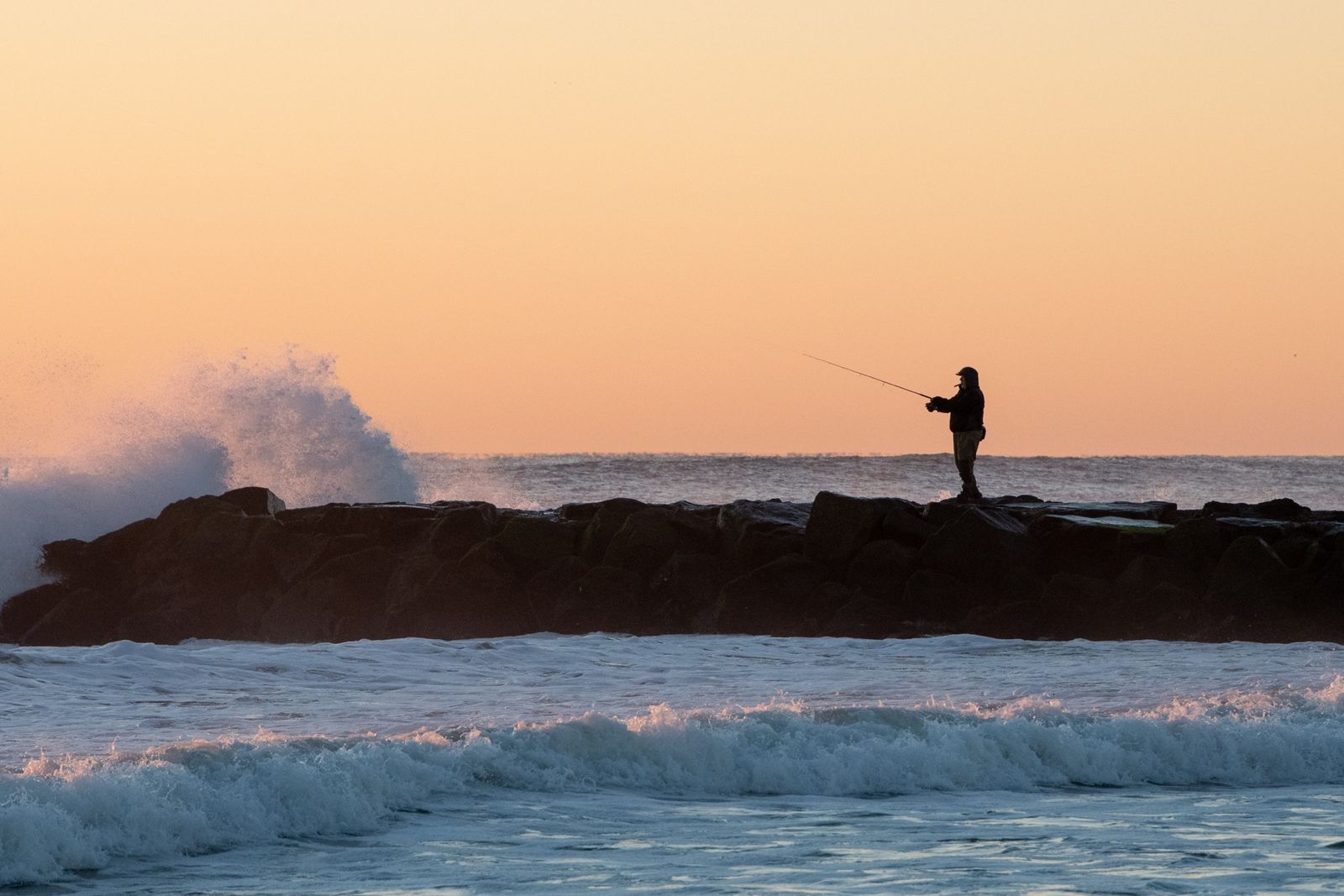
Surf fishing. The ocean beaches of Delaware and Assateague are serious surf-fishing territory — striped bass, bluefish, and red drum. The culture is its own thing: a beach buggy with rod racks, a 4x4 beach permit where required, bait cut at dawn. If you're a homeowner near a drive-on beach, expect your neighbors to disappear for the spring and fall runs.
Head boats and party boats. The middle ground — walk-on, affordable, no gear needed. Great for kids and visitors. Boats out of Lewes, Indian River, and Ocean City run bay and nearshore trips.
Crabbing off a dock. The entry-level rite. A hand line, a chicken neck, a dip net, and a dock on a tidal creek — that's the whole setup. Blue crabs are the prize. Kids learn patience, adults rediscover it. If your second home has dock or creek access, crabbing gear is the cheapest entertainment on the peninsula.
The license note: Delaware, Maryland, and Virginia each require fishing licenses, with separate rules for saltwater vs. tidal water. Check current license requirements, fees, and where to buy (online, tackle shops, marinas) before you go — this is the kind of detail that changes.
Activity availability, operators, license requirements, and regulations change seasonally — check current details before you go.