Types of Boating and Water Hobbies
Sailor, paddler, angler, surfer — seven water personalities, one peninsula. Find yours.
Living on Delmarva means living surrounded by water — the Atlantic on one side, the Delaware Bay and Chesapeake Bay bracketing the peninsula, and a lacework of tidal creeks, salt marshes, and inland bays in between. A companion guide covers marinas and boat ownership; this one is about what you actually do out there. Think of it as a personality quiz with seven results. Read through, find the one that makes you lean forward, and you'll know where to start.
1. The Sailor — Learning to Sail and Crewing
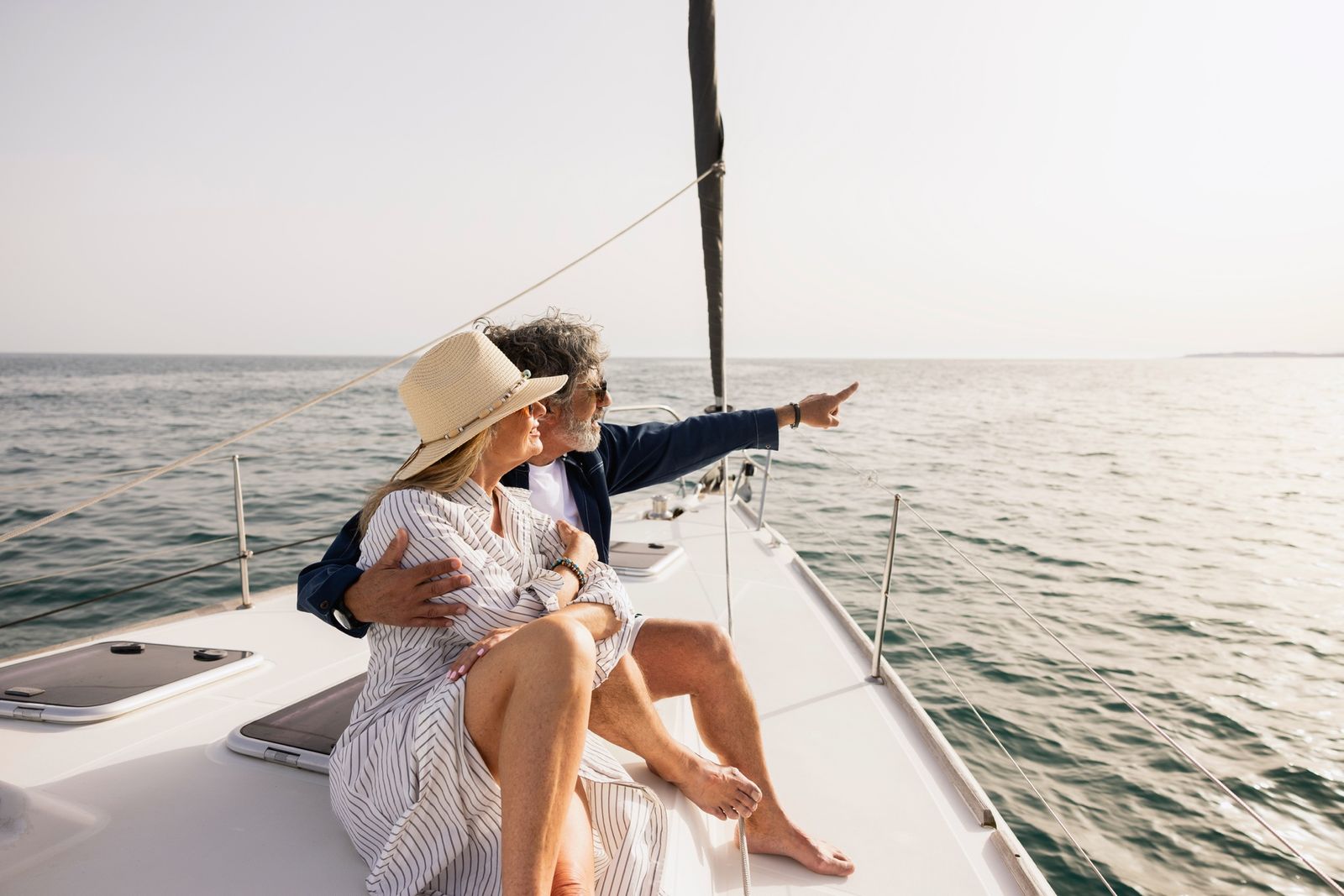
What it feels like. There is a specific quiet that happens the moment the engine cuts and the sails take the load — just wind, water, and the soft creak of rigging. Sailing is the thinking person's water sport: part physics puzzle, part meditation, with a learning curve that's genuinely satisfying rather than punishing.
Who it's for. Patient beginners who like the idea of a skill that takes years to master. Kids take to it fast; adults who've always meant to learn finally do it here.
Getting started. You don't buy a boat to learn — you take lessons or crew for someone else. Sailing schools and clubs around the bays offer beginner courses, and racing fleets are famously hungry for crew: show up willing to learn, and you'll be on a boat. Wednesday-night beer-can races on the bays are the classic entry point — casual, social, and genuinely instructive.
Where on Delmarva. The Delaware Bay and the inland bays (Rehoboth, Indian River) on the Delaware side; the Chesapeake side around St. Michaels and Cambridge on the Maryland shore. Protected bay water is forgiving for beginners; the ocean side is for later.
2. The Marsh Paddler — Kayaking the Salt Marshes and Tidal Creeks
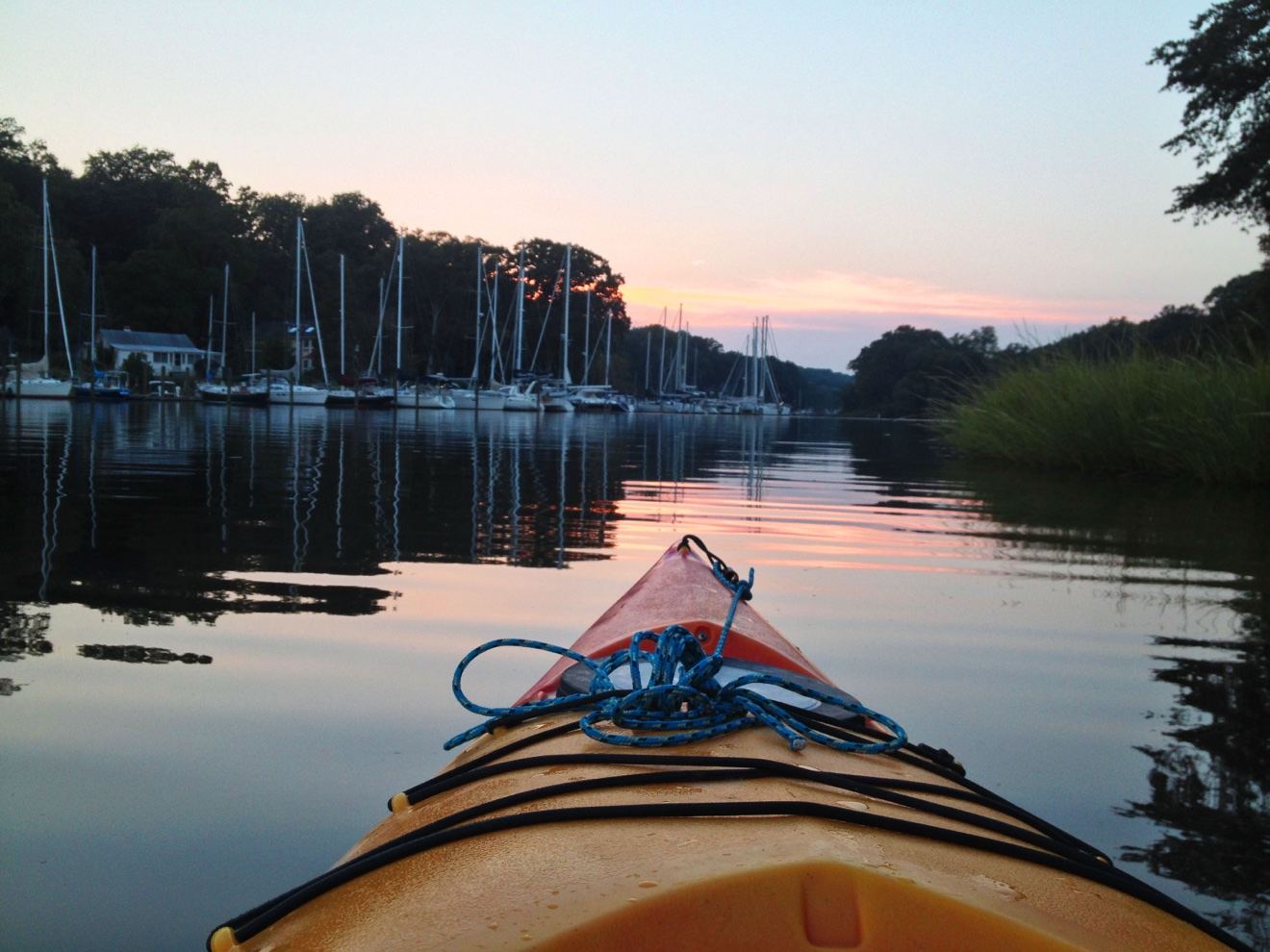
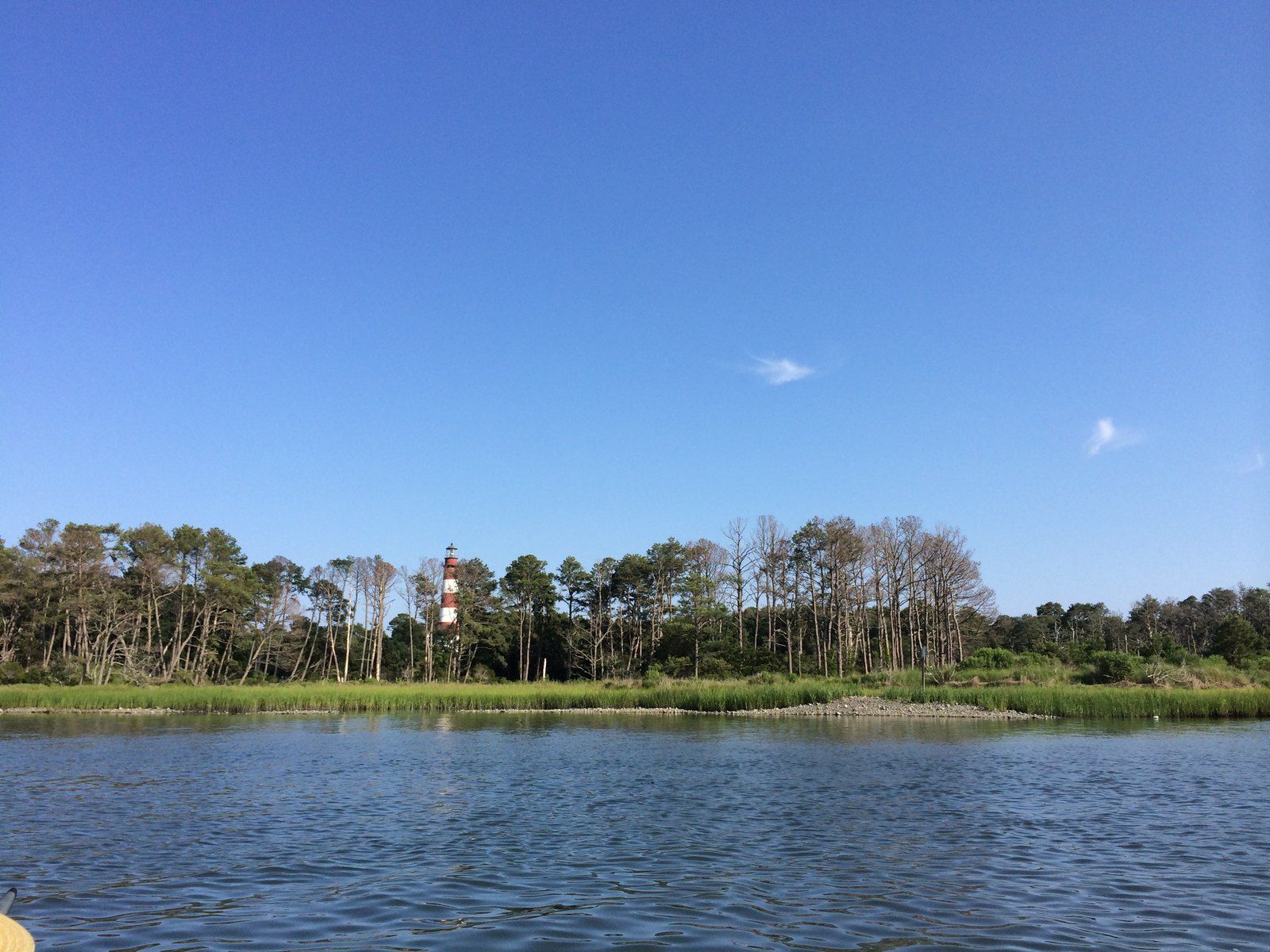
What it feels like. Dawn on a tidal creek: mist on the water, an egret lifting off ahead of you, the only sound your paddle. Kayaking Delmarva's marshes is the closest thing to disappearing into the landscape the peninsula offers.
Who it's for. Wildlife lovers, photographers, solitude seekers, and anyone whose knees have opinions about other sports. Tandem kayaks make it a great couples or parent-kid outing.
Getting started. A stable recreational kayak, a PFD (non-negotiable), and a tide chart — tidal creeks can go from navigable to mudflat in a few hours, so plan around the tide. Guided eco-tours run in the warmer months and are the smart first move: the guide knows the channels and the wildlife. Rentals are widely available in the beach towns in season.
Where on Delmarva. The inland bays and their tidal tributaries — prime marsh country. The marshes around Prime Hook and Bombay Hook on the Delaware Bay side are spectacular but check access rules (refuge waters have restrictions). On the Maryland side, the Honga River and the creeks off the Choptank offer the same magic with fewer people.
3. The Paddleboarder — Bayside Calm vs. Ocean Swell
What it feels like. Standing up on the water changes your relationship with it — you're on the bay, not in a boat on the bay. Bayside paddling is serene, almost walking-on-water; ocean-side is a balance workout with consequences.
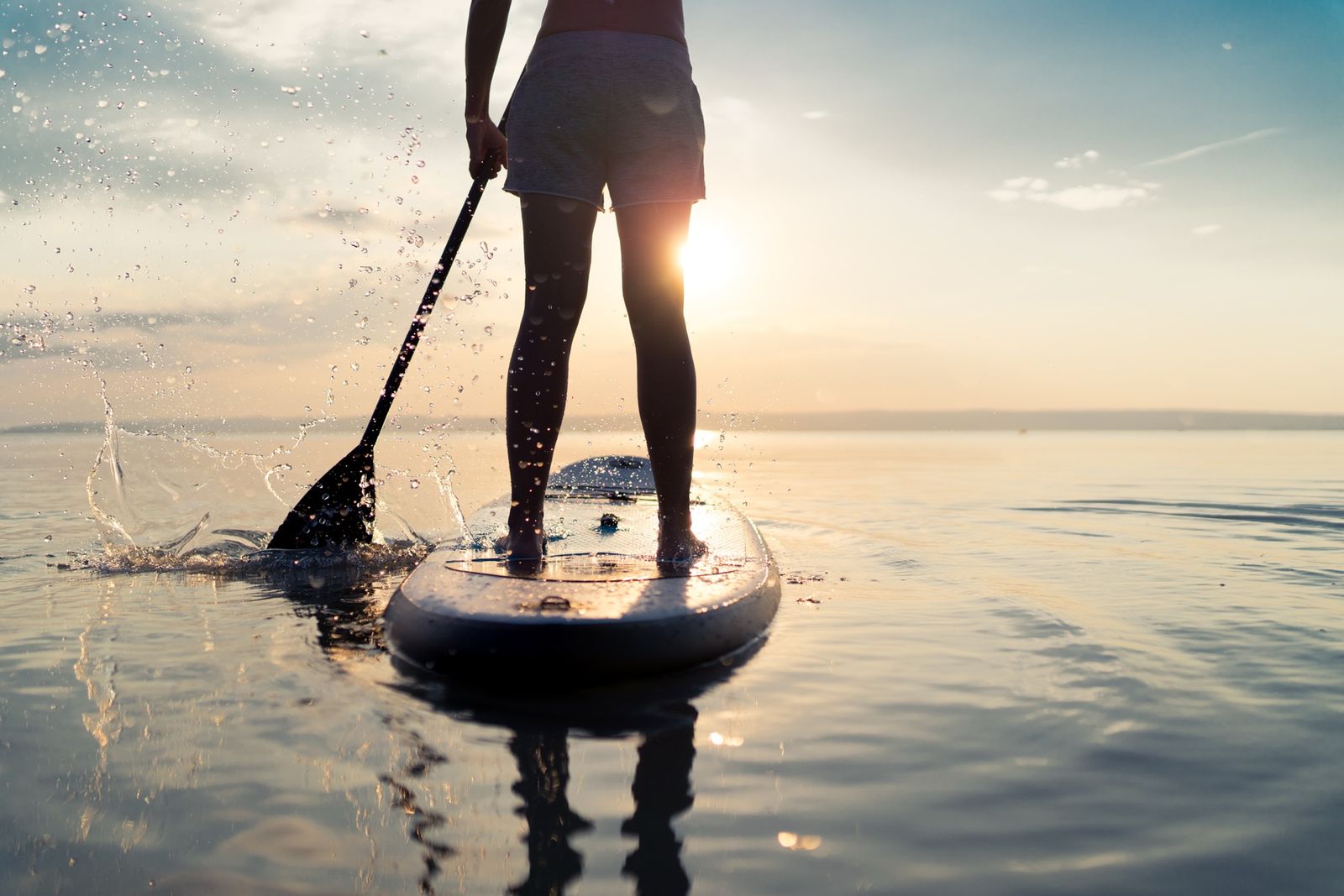
Who it's for. The fitness-minded, the yoga crowd (yes, that's a thing here), and anyone who wants a water hobby with a low equipment bar. Easier to transport than a kayak, harder on the core.
Getting started. Start bayside, on a wide stable board, on a calm morning — wind is the paddleboarder's enemy, and afternoon sea breezes can turn a pleasant outing into a slog. Lessons and rentals cluster around the resort towns in season. A leash and PFD are essential; on the ocean side, know your limits and stay near lifeguarded beaches.
Where on Delmarva. The bayside — Rehoboth Bay, Indian River Bay, and the Sinepuxent Bay behind Ocean City — is beginner heaven: shallow, warm, and calm in the morning. The ocean beaches are the advanced track. Assateague's bayside (the Sinepuxent side) splits the difference beautifully.
4. The Thrill-Seeker — Jet Skis and the Personal Watercraft Scene
What it feels like. Sixty horsepower of instant summer: the throttle, the spray, the particular joy of carving turns on open water. This is the least meditative entry on the list and it knows it.
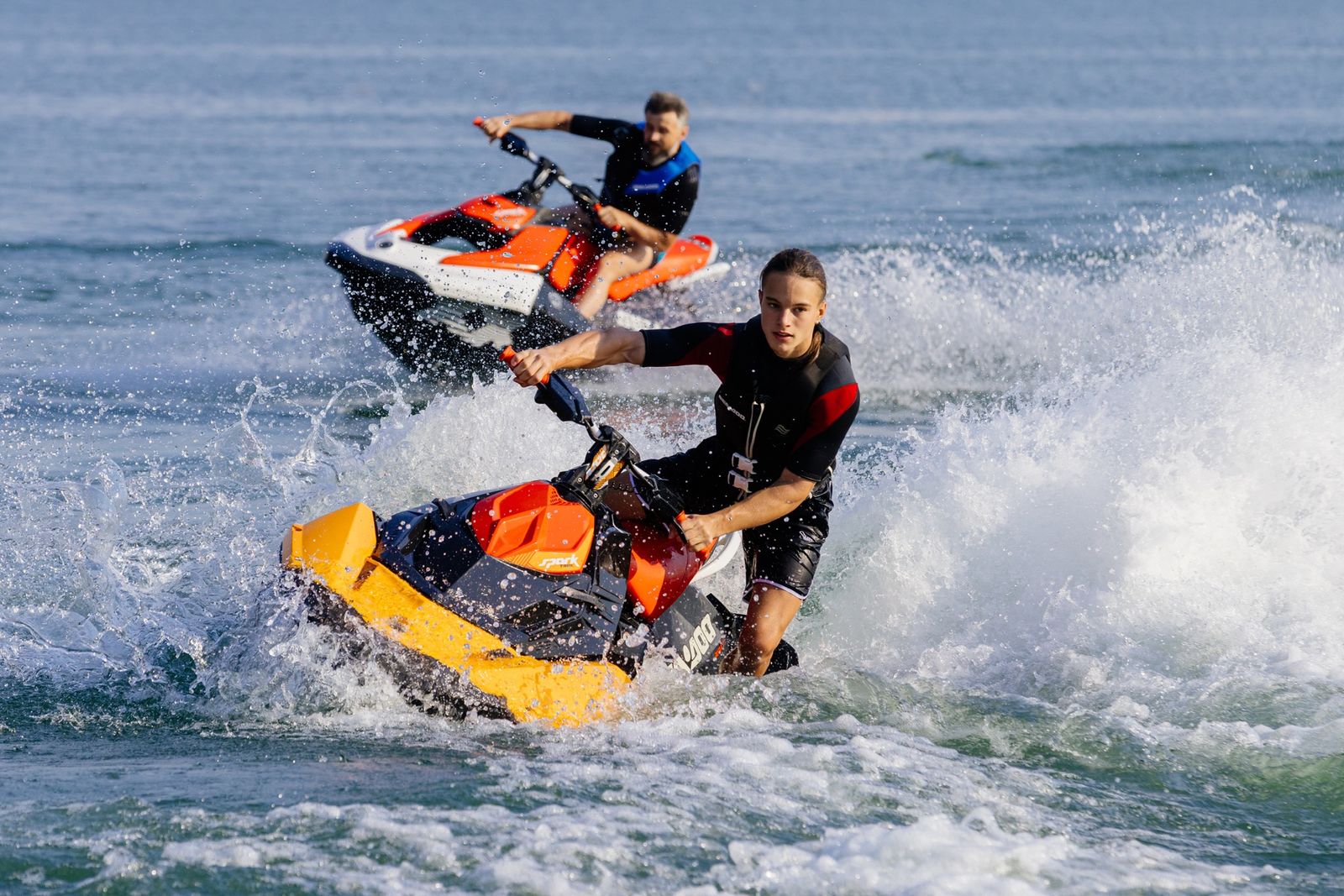
Who it's for. Adrenaline fans, teenagers (with supervision and within age rules), and anyone who finds sailing's quiet suspicious. Great as a group outing — it's inherently social.
Getting started. You don't need to own one. Rental outfits operate around the inlets and bays in season, typically with a guided-tour format for first-timers. If you're buying, know that Delaware, Maryland, and Virginia each have boater-education requirements that apply to personal watercraft operators — often stricter than for other boats. Check current education and age requirements — rules vary by state.
Where on Delmarva. The Indian River Inlet area and the inland bays are the Delaware hub; the Ocean City inlet and Sinepuxent Bay on the Maryland side. Personal watercraft are restricted in some areas — refuges, certain creeks, and near swimming beaches — so check local rules before you launch.
5. The Angler — Fishing Charters and Head Boats
What it feels like. The 5 a.m. dock, coffee in a thermos, the boat pushing through the inlet as the sky goes pink — and then the particular electricity of a rod doubling over. Charter fishing is Delmarva's signature group adventure: part sport, part boat ride, part seafood dinner you caught yourself.
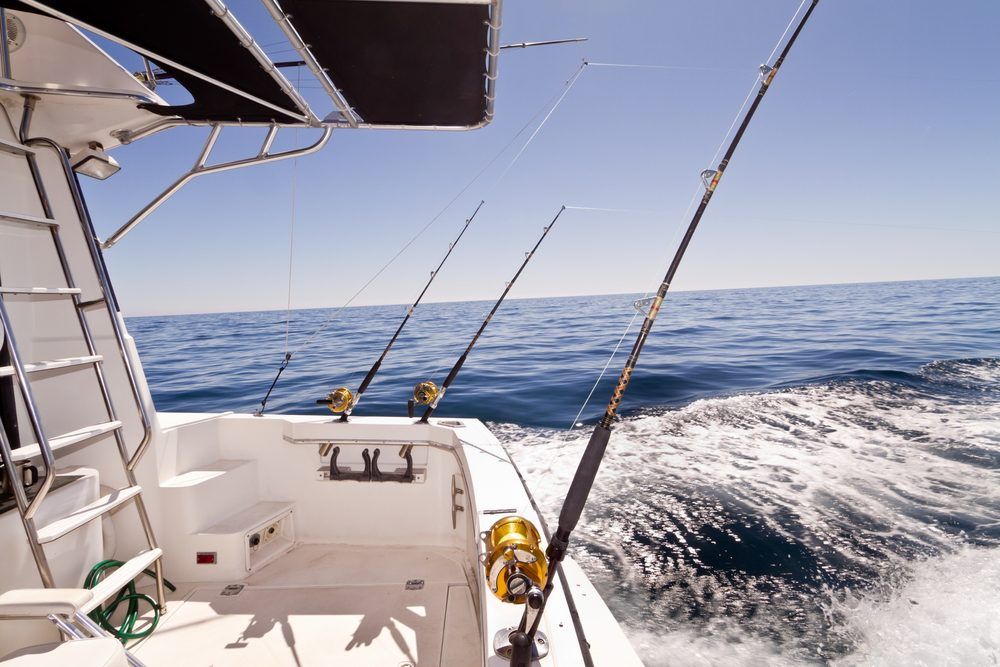
Who it's for. Everyone from serious anglers to bachelor parties to grandparents treating the grandkids. Head boats (party boats) are the low-commitment entry: you buy a ticket, they provide the rod, you fish.
Getting started. Book a head boat trip first — it's the cheapest way to learn whether you love it. Private charters (typically up to six passengers) cost more per person but target bigger fish further offshore. You'll need a fishing license — Delaware, Maryland, and Virginia each issue their own, and the rules follow the water you're fishing in, not just where you launched. Check current license requirements and fees. Charters usually cover licenses for their passengers, but confirm when booking.
Where on Delmarva. The Indian River Inlet and Ocean City inlet fleets run the ocean side — sea bass, flounder, tuna offshore in season. Lewes runs Delaware Bay trips. On the Chesapeake side, fleets out of the Maryland Eastern Shore towns work the bay for rockfish (striped bass) and more. Seasons and size limits change — check before you go.
6. The Crabber — Crabbing Off a Dock
What it feels like. This is the Delmarva pastime — less a sport than a way of an afternoon. A hand line, a chicken neck, a dip net, and a dock: that's the whole setup. Kids learn patience, adults relearn it, and dinner might just walk up the line sideways.
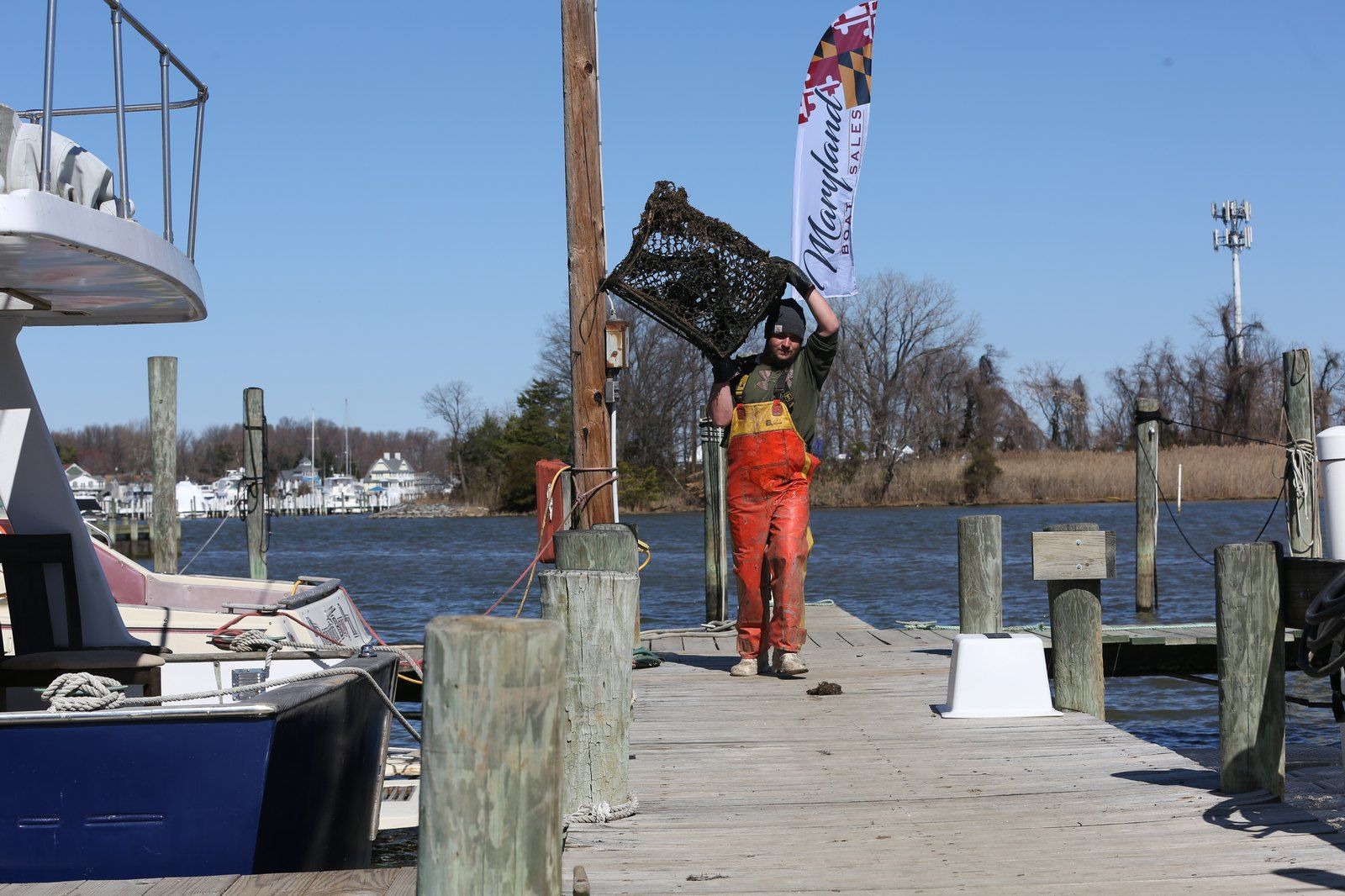
Who it's for. Families above all — this is the thing you do with a five-year-old and a grandparent at the same time. Also: anyone who likes their hobbies to end in a bushel basket.
Getting started. The barrier to entry is gloriously low: hand lines or a few collapsible traps, bait, a net, and a container. A recreational crabbing license is required in some states and not others, with different rules for residents and non-residents — check the current license requirements. Learn the size and sex limits (keepers are measured; females are typically off-limits) before you keep anything — check the current regulations.
Where on Delmarva. Any tidal creek dock, pier, or bulkhead on the bayside — the inland bays, the tributaries of the Indian River, the Chesapeake-side creeks. Public piers in the beach towns get crowded on summer weekends; a quiet weekday morning on a creek dock is the platonic ideal.
7. The Surfer — Riding the Atlantic Side
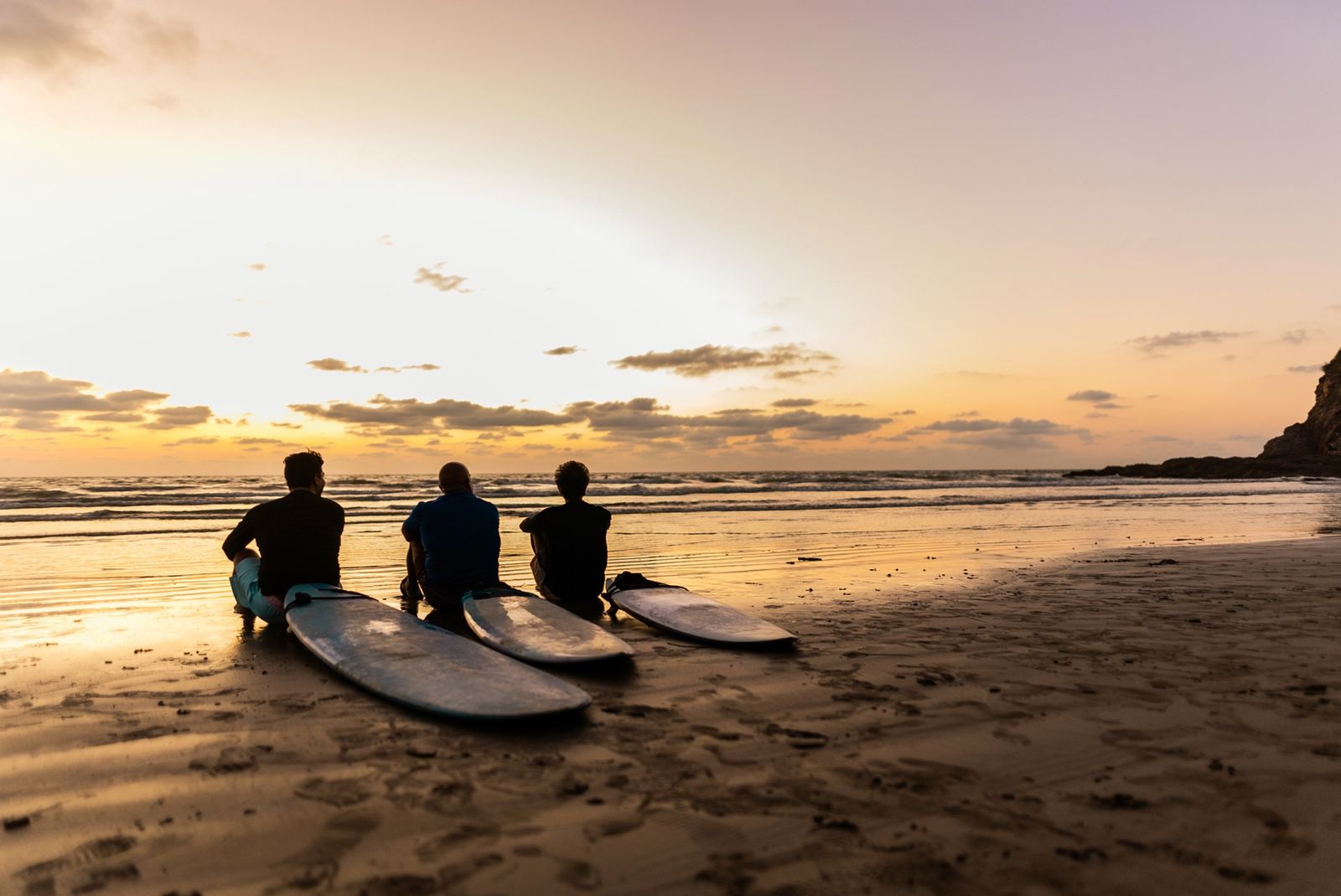
What it feels like. Salt in everything, the particular focus of watching a set roll in, and then ten seconds of standing on moving water that ruins you for every other hobby. Delmarva surf is humble by California standards and beloved anyway.
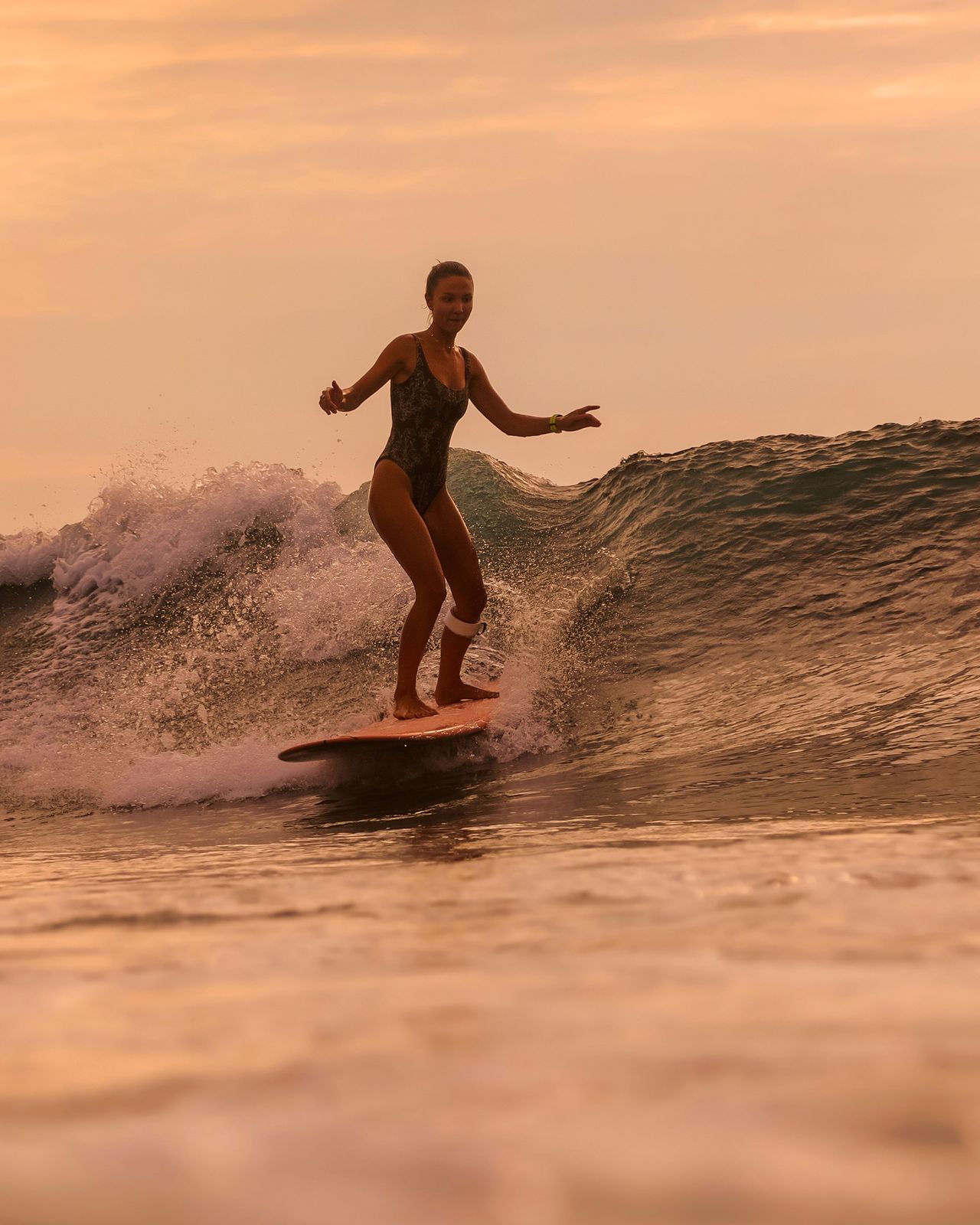
Who it's for. The young and the young-at-heart, the dawn-patrol crowd, anyone who wants the ocean to be a participant rather than a backdrop.
Getting started. Take a lesson — a two-hour group lesson will get you standing, which is the whole addiction in miniature. Summer's small waves are the learning season; fall brings the best swells and the thinnest crowds. A foam longboard, rented or bought used, is the beginner's craft. Respect the lifeguards, learn surf etiquette, and know that some beaches restrict surfing to designated areas in season.
Where on Delmarva. The Delaware ocean beaches — Rehoboth, Dewey, Bethany, Fenwick — and Ocean City and Assateague on the Maryland side. The Indian River Inlet's north side has a storied surf scene. Assateague offers the wildest setting: surf with ponies watching from the dunes.
Picking Your Water Personality
Still deciding? A few honest filters:
- Lowest cost to try: crabbing off a dock, then a head-boat fishing trip.
- Best with small kids: crabbing, then kayaking (tandem) or a head boat.
- Best workout: ocean paddleboarding, then surfing.
- Most social: jet skis, charter fishing, sailing crew.
- Most solitude: dawn kayaking in a tidal creek. Nothing else is close.
- Best year-round: sailing and fishing run deep into the shoulder seasons; the paddle sports are fair-weather friends.
One more thing the personalities share: the water here demands respect. Tides, currents at the inlets, afternoon thunderstorms that build fast in summer, and cold water well into spring — check conditions, wear the PFD, and tell someone your plan. The peninsula rewards the prepared and humbles everyone else equally.
Where most people start. Newcomers with dock or creek access usually start with crabbing — the gear costs almost nothing and the learning curve is a single afternoon. For everything else, one head-boat trip or one rented kayak answers the personality question faster than any guide can.
Activity availability, rental and lesson operators, license requirements, and regulations change seasonally — check current details before you go. For marinas, slips, and boat ownership, see the companion Boating & Marinas guide.