
Winterizing Second Homes: The November Checklist
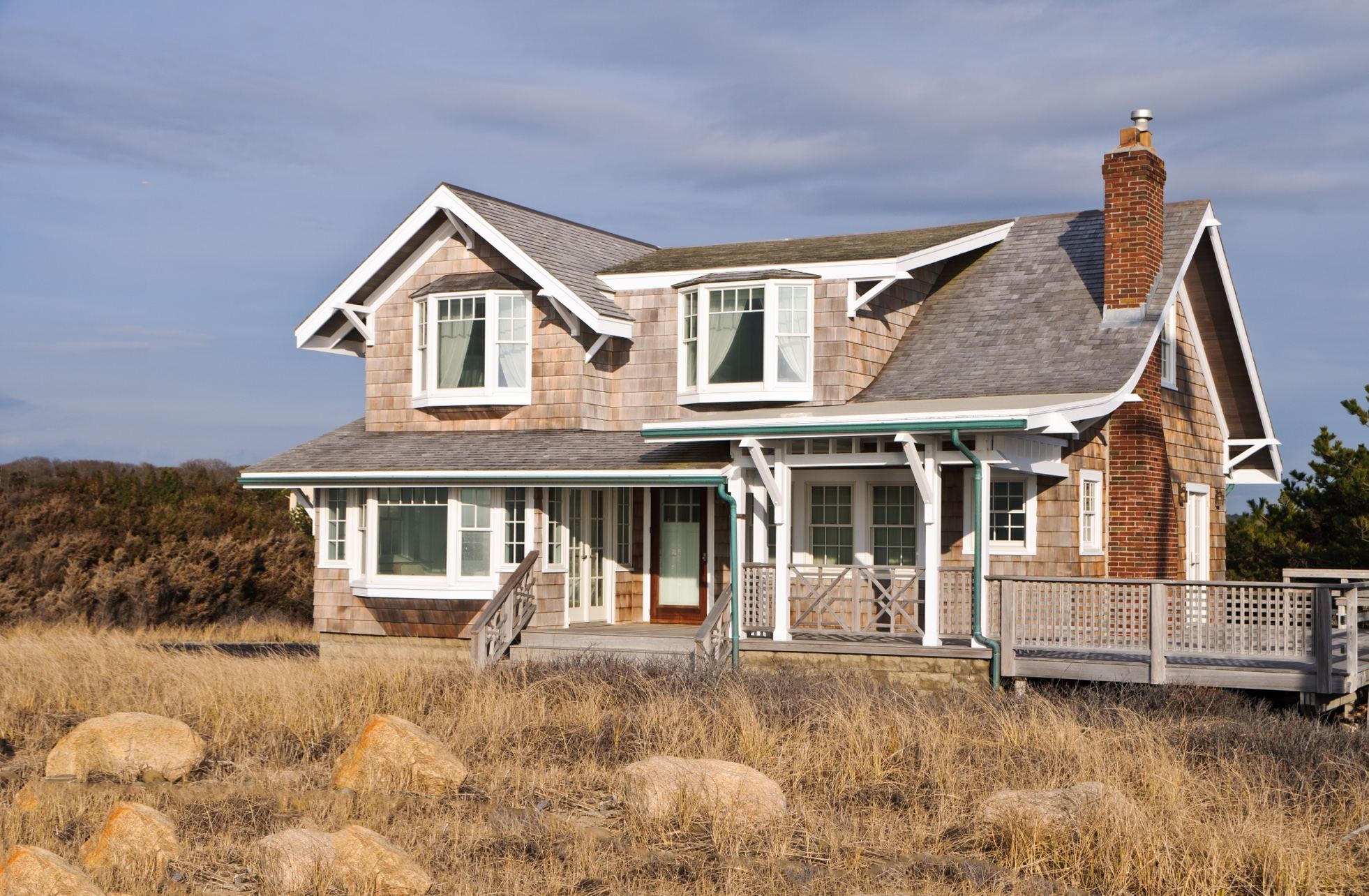
Closing up the beach house for the season? This room-by-room checklist covers pipes, heat, humidity, shutters, security, and insurance — so spring doesn't bring surprises.
Every October, Delmarva's beach towns empty out and the second homes go dark. If yours is one of them, this is the piece to print. A properly winterized house survives a coastal Delaware winter with nothing worse than a dusting; an un-winterized one greets you in April with burst pipes, a mold problem, or a rodent colony in the crawl space. None of this is complicated — it's a weekend of work, done in the right order, plus a few insurance and monitoring decisions that pay for themselves many times over.
Work through it zone by zone. Shutoff locations and insurance terms vary by house and policy — check yours as you go.
Zone 1: Water — Pipes, Shutoffs, and Drains
Frozen and burst pipes are the number-one winter disaster for vacant coastal homes, and Delmarva's freeze-thaw cycles make it a real risk. This is the section to do first.
- Find the main water shutoff before you need it. It's typically where the water line enters the house — a basement or crawl space wall, a utility closet, or an exterior meter pit with a valve. On many Delmarva beach houses, especially raised or slab-built ones, it's in the crawl space or a garage utility corner. If you can't find it, find it now — not during a leak. Label it. Make sure your check-in person (see Zone 8) knows where it is too.
- Shut off the main and drain the system. Turn off the main valve, then open every faucet (hot and cold) and flush every toilet to drain the lines. If your house has a whole-house shutoff plus individual fixture valves, close those as well.
- Drain the water heater if you're shutting the house down completely — or leave it on a low/vacation setting if your heat plan keeps the house above freezing (see Zone 2). Follow the manufacturer's instructions; never drain a heater that's still powered on.
- Outdoor spigots and hoses: disconnect all hoses, drain them, and shut off the interior valve to each exterior spigot if your plumbing allows. Frost-free sillcocks still freeze if a hose is left attached.
- Appliances: drain the washing machine supply lines and run a short drain cycle; empty the dishwasher and leave its door cracked. If you have an ice maker, turn off its water supply and empty the bin.
- Pour RV antifreeze (non-toxic) into drains, toilets, and the dishwasher if the house will go fully cold — this keeps trap water from freezing and cracking fixtures. (Not automotive antifreeze — the non-toxic pink plumbing kind.)
- Toilets: flush after shutoff, then sponge or bail out the tank water. A tank that freezes solid can crack.
- Sump pumps and dehumidifier drains: verify the pump runs and its discharge line won't freeze shut. If the sump discharges through a line that runs outside, confirm it drains away from the foundation.
- Well owners: if your house is on a well, the pressure tank and wellhead need winterizing attention too — consult a local well professional for your setup.
Zone 2: Heat and Humidity — Thermostat and Mold Prevention
An empty house still needs climate control. You're not heating for comfort — you're heating to protect the structure.
- Thermostat setpoint for an empty house: the standard guidance is 50–55°F. That's warm enough to protect pipes and finishes, cool enough to save meaningful energy. Below 50°F, you start gambling with pipe freezes during a cold snap; above 55°F, you're heating an empty house for no reason.
- Keep cabinet doors open under sinks on exterior walls so warm air reaches the pipes behind them.
- Humidity control is the mold question. Coastal Delmarva is damp, and a closed-up house traps moisture. Options:
- Run the HVAC fan on "auto" with the system in heat mode — cycling air helps.
- A standalone dehumidifier with a drain hose to a sink or floor drain (not the bucket — nobody's there to empty it). Set it for roughly 40–50% relative humidity.
- In crawl spaces, a properly sealed vapor barrier plus a crawl-space dehumidifier does more than anything else.
- Smart thermostat: this is the single best remote-monitoring investment for a second home (see Zone 7). Set low-temperature alerts so you get notified if the house drops toward freezing — a failed furnace in January is a race against time, and the alert buys you hours.
- If you heat with propane or oil: top off the tank before you leave, and arrange delivery or monitoring so it can't run dry mid-winter. A dead heat source plus a cold snap is the burst-pipe scenario.
Zone 3: Exterior — Shutters, Gutters, and the Yard
Delmarva winters bring nor'easters, not just cold. Wind and water do the damage.
- Storm shutters and window protection: if you have permanent shutters (Bahama, colonial, roll-down), close and secure them. For windows without shutters, consider plywood cut to fit for the most exposed windows — labeled and stored in the garage so it's a one-person job in a storm warning. Check whether your HOA has rules about shutter appearance or seasonal plywood.
- Outdoor furniture, grills, and decor: bring it all inside — the garage, a shed, or a locked storage area. Anything left out becomes a projectile in a nor'easter and weathers badly in salt air. Clean the grill, disconnect and store the propane tank separately (never indoors), and cover what can't be moved.
- Gutters: clean them. Clogged gutters overflow, and overflow in winter becomes ice dams at the eaves and water in the walls. While you're up there, check that downspouts direct water away from the foundation.
- Roof and trees: look for loose shingles, flashing, or dead limbs overhanging the house. Winter wind finds every weakness.
- Irrigation: shut off and blow out sprinkler systems if you have one. Frozen irrigation lines crack just like house pipes.
- Secure the trash and recycling bins — wind scatters them, and an overturned bin signals "nobody's home."
- Pools and hot tubs: close and winterize per the manufacturer's instructions — or keep the hot tub running at a low setpoint with a service contract if you prefer. An improperly closed pool is a spring nightmare.
Zone 4: Interior Room-by-Room
Walk the house with a checklist. It takes an hour.
Kitchen:
- Empty the refrigerator (or leave it running with only sealed, non-perishable items — your call, but an emptied, unplugged fridge with the doors propped open can't grow a science experiment). Clean it first either way.
- Empty pantry of anything perishable or pest-attractive — flour, cereal, pet food. Wipe shelves.
- Leave the dishwasher door cracked to prevent mildew.
- Under-sink: check for leaks now, leave cabinet doors open for pipe warmth.
Bathrooms:
- Clean toilets and pour non-toxic antifreeze in bowls and tanks if going fully cold (Zone 1).
- Leave shower doors/curtains open for airflow.
- Empty trash, remove toiletries that can freeze and burst (aerosols, liquid soaps in unheated spaces).
Bedrooms and living areas:
- Strip beds or cover mattresses with breathable covers — not plastic, which traps moisture.
- Pull furniture a few inches from exterior walls for airflow.
- Close interior doors to unused rooms only if your heat plan allows; otherwise leave them open so heat circulates.
- Unplug electronics (TVs, computers, chargers) — saves standby power and removes surge risk. Leave the smart thermostat, router, and cameras powered (Zone 7).
- Fireplace: close the damper. An open flue is a heat chimney and a pest highway.
Laundry:
- Shut off washer supply valves, disconnect and drain hoses.
- Empty the dryer lint trap; check the exterior vent flap closes properly.
Garage and crawl space:
- Remove anything that can't freeze — paint, certain cleaners, batteries.
- Check the crawl space vapor barrier and look for standing water.
- Set out no poison bait where pets or wildlife could reach it; snap traps in enclosed areas are the safer choice (see Zone 5).
Zone 5: Pests — Sealing Entry Points
Mice, squirrels, and insects treat an empty beach house as a winter rental with no landlord.
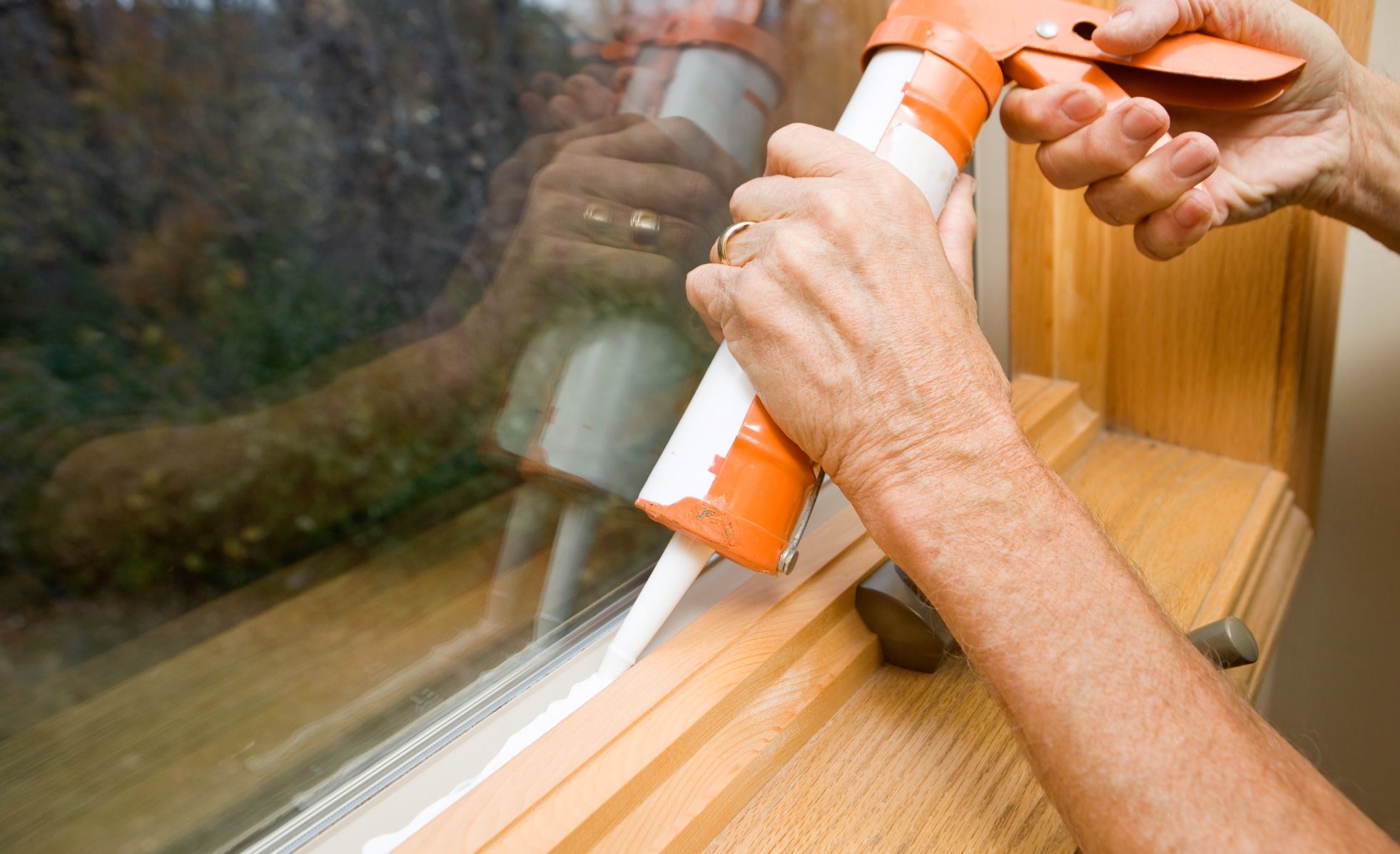
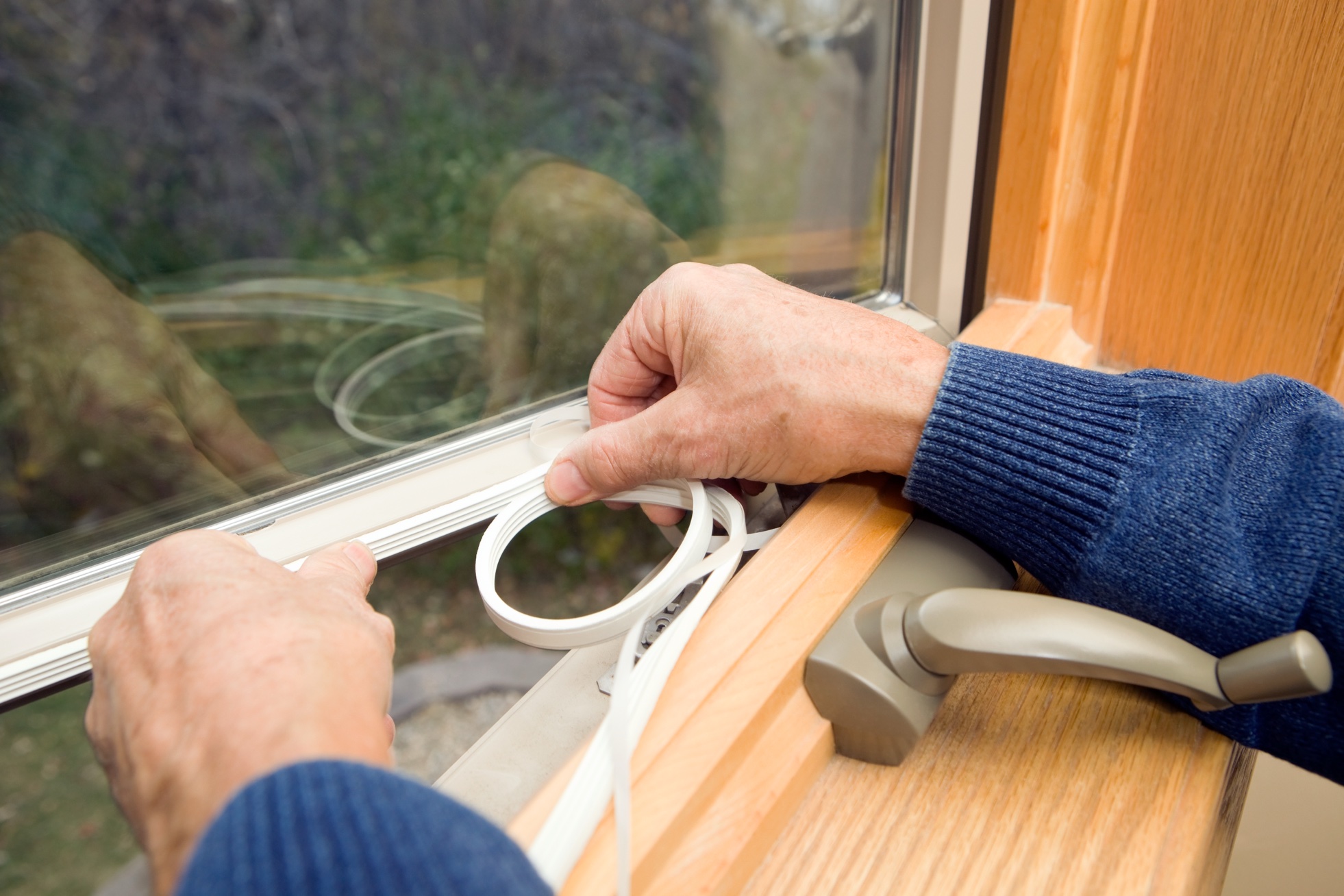
- Walk the exterior and seal gaps: where pipes and cables enter the house, around dryer and range-hood vents (make sure the flaps close), under doors (door sweeps), and any foundation cracks. Steel wool plus caulk handles most mouse-sized holes — mice can't chew through steel wool.
- Chimney: a cap with a screen keeps out squirrels and raccoons. If you don't have one, this is the year.
- Attic and eaves: check screens on gable and soffit vents.
- Inside: no food sources, no nesting material left out (paper towels, rags in open boxes). Empty all trash cans.
- Consider a pest-control service for a fall perimeter treatment and winter monitoring visits — especially if you've had mouse or termite history.
Zone 6: Mail, Packages, and the "Lived-In" Look
An obviously empty house is a target. The fix is cheap.
- Hold or forward mail with the post office for the vacant period — or forward it to your primary address. An overflowing mailbox is the universal "nobody's home" signal.
- Pause package and subscription deliveries — newspapers, meal kits, anything on a schedule. A stack of boxes on the porch is worse than the mail.
- Lights on timers: put a few interior lamps on randomized timers (not a rigid on-off schedule). Smart plugs make this trivial and adjustable remotely.
- Lawn and exterior: arrange for leaf cleanup and basic yard maintenance through the off-season. An unkempt yard tells the same story as the mail pile. (If your HOA handles common-area landscaping, confirm what they cover and what falls to you — check before you go.)
- Cars: if you're leaving a vehicle, park it in the garage if possible. A car that never moves in the driveway says the same thing as the mail.
Zone 7: Remote Monitoring — Smart Thermostat and Cameras
This is the category that has changed the second-home game in the last few years. For a few hundred dollars in hardware, you can watch your house from your phone all winter.
- Smart thermostat: the must-have. Remote temperature control plus low-temp and high-temp alerts to your phone. If the furnace dies in January, you know in minutes, not at your next visit.
- Water-leak sensors: small battery-powered pucks placed under sinks, behind the washer, by the water heater, and at the sump pump. They ping your phone when they get wet. Cheap insurance against the burst-pipe scenario in Zone 1.
- Cameras: a doorbell camera plus one or two exterior cameras covering entry points. They deter break-ins, verify that your check-in person actually visited, and let you confirm the shutters are still on after a storm.
- Smart smoke/CO detectors: standard detectors are useless in an empty house — nobody hears them. Connected detectors alert your phone.
- The fine print: all of this depends on your internet staying up. Keep the router on a battery backup so brief outages don't knock everything offline, and make sure your internet bill is set to autopay. Test every device before you lock up.
Zone 8: The Check-In Person and the Insurance Fine Print
Technology helps; a human is better. And your insurance policy has opinions about vacancy.
- Line up a local check-in person. A neighbor, a property manager, or a paid home-watch service — someone with a key who walks through every 1–2 weeks. Their checklist: thermostat reading, any water on floors, breaker panel normal, exterior intact after storms, mail collected, no pest signs. Give them the plumber's number, the HVAC company's number, and the main water shutoff location (Zone 1). Put the arrangement in writing — even an email confirming the schedule and what to check.
- Tell your insurer the house will be vacant. This is the part people skip, and it's the part that can void a claim. Most homeowners policies have a vacancy clause — often around 30 to 60 consecutive days unoccupied. Past that threshold, coverage can be reduced or denied for perils like vandalism, water damage, and theft.
- Ask your agent about a vacancy endorsement or vacant-dwelling policy for the off-season. It costs more, but it's the difference between being covered and not.
- Document the house before you leave: photos or video of every room, the exterior, and the shutoff locations. If you ever file a claim, this is your evidence of the house's condition.
- Keep utilities in your name and on autopay — a lapsed electric bill that kills the heat in February is a self-inflicted disaster.
- Update your emergency contacts with the alarm company, the check-in person, and your insurer so someone reachable is on file.
The One-Page Version
Print this and tape it inside a kitchen cabinet:
- ☐ Main water off; lines drained; water heater handled; outdoor spigots drained; hoses disconnected
- ☐ Non-toxic antifreeze in drains, toilets, dishwasher (if going fully cold)
- ☐ Thermostat set to 50–55°F; under-sink cabinets open on exterior walls
- ☐ Dehumidifier running to drain (or HVAC cycling); crawl space checked
- ☐ Shutters closed; patio furniture and grill stored; propane tank disconnected
- ☐ Gutters cleaned; downspouts clear; roof and trees checked
- ☐ Entry points sealed; chimney capped; no food left out
- ☐ Fridge handled; dishwasher cracked; washer lines drained
- ☐ Electronics unplugged (except thermostat, router, cameras)
- ☐ Mail held/forwarded; deliveries paused; lights on timers; yard care arranged
- ☐ Smart thermostat alerts on; leak sensors placed; cameras live; internet on autopay
- ☐ Check-in person scheduled with key, checklist, and contractor numbers
- ☐ Insurer notified; vacancy terms verified; photo documentation done
- ☐ Fireplace damper closed; propane/oil tank topped off
Do the work in October, while the weather's still kind and the contractors aren't booked solid. Your April self will thank you.